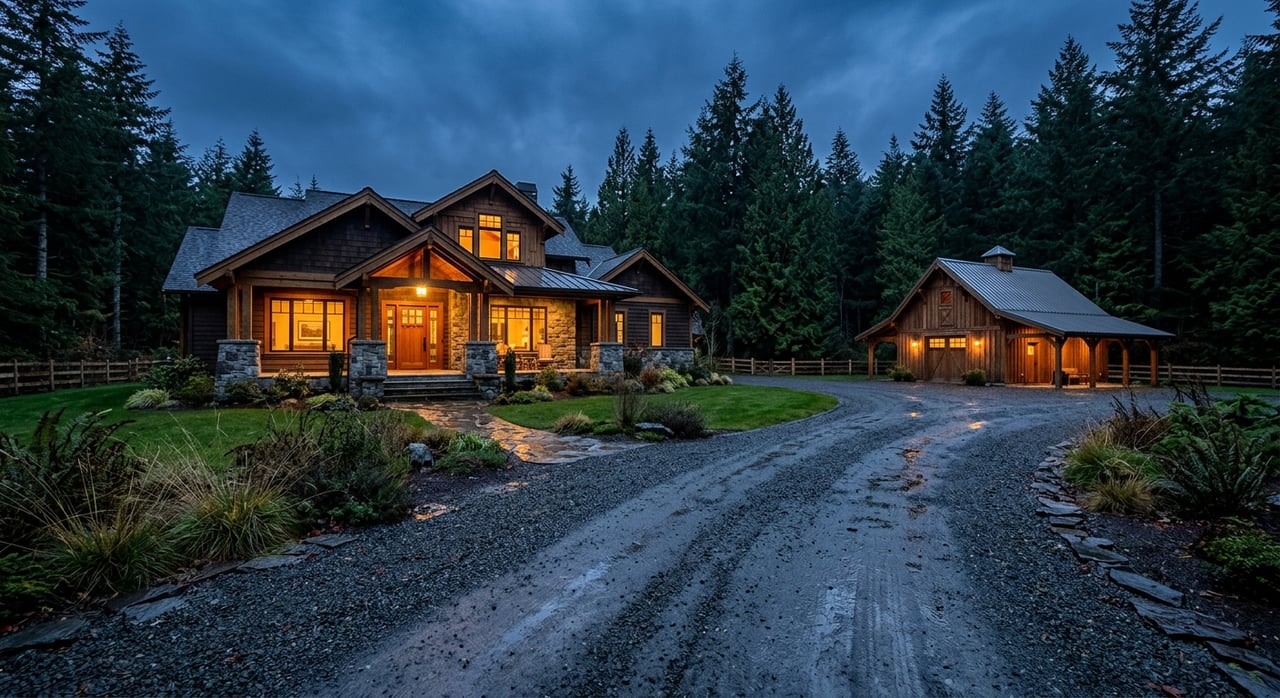
Buying acreage in Snohomish can be exciting, but it also comes with more moving parts than a typical home purchase. When you are evaluating a property with open land, outbuildings, or room for future plans, the biggest questions often involve what the land can legally and physically support. This guide will help you understand the key issues to review before you write an offer, so you can move forward with more clarity and confidence. Let’s dive in.
Start With Jurisdiction
One of the first things to confirm is whether the property is inside the City of Snohomish or in unincorporated Snohomish County. That single detail affects zoning, permits, utilities, and the approval path for future improvements.
If a parcel is inside city limits, City of Snohomish zoning rules and the city land use map control what is allowed. If it is outside city limits, Snohomish County rules apply instead. For acreage buyers, this matters because city and county properties can follow very different development and use standards.
Verify Legal Lot Status
Before you get too far into plans for a shop, barn, or future home expansion, make sure the parcel is a legally recognized lot. In unincorporated Snohomish County, legal lot status may need to be verified before or during a building permit application.
The county may ask for deeds and easement documents as part of that review. If legal lot status is unclear, your timeline, cost, and future use options may look very different than expected.
Confirm Legal Access
Access is another major issue with acreage property. A beautiful parcel is much less practical if legal access is missing or incomplete.
For new development in unincorporated Snohomish County, legal access is required. County-road access may need an access permit, private-road access depends on recorded easements, and access from a state highway may require a letter from the Washington State Department of Transportation.
Understand Water and Sewer Options
Utilities can be very different on acreage than they are in a suburban neighborhood. In the City of Snohomish, properties may have city water, sewer, and stormwater service. In rural county areas, properties often depend on private wells and septic systems.
For new residential construction, Washington law requires an approved water source and either sewer availability or an approved septic system. In rural Snohomish County, an approved well and on-site septic system are typically required before a residence or any plumbing-connected building can be permitted.
What to Review for a Well
If the property has an existing well, do not assume everything is already documented or tested. Snohomish County Health Department notes that there is no state or local well inspection requirement during a real estate transaction involving an existing well.
That means you should actively review available inspection records, water sampling results, and seller disclosures. Older wells need added attention because wells built before 1973 may not have been recorded, and abandoned wells can create contamination and safety risks if they were not properly decommissioned by a licensed well driller.
Regular testing matters too. The county health department recommends annual coliform testing, plus additional testing after repairs, suspected contamination, or flooding. If a well has been flooded, the county advises treating it as contaminated.
What to Review for Septic
Septic is not a small side issue on rural property. More than 78,000 homeowners in Snohomish County rely on septic systems, and failing systems can contaminate wells, lakes, and streams.
You will want to review septic records, maintenance history, and any recent inspections if they are available. It is also smart to understand the long-term upkeep involved, since septic inspection and pumping should be part of your ongoing ownership budget.
Pay Close Attention to Flood and Critical Areas
In Snohomish, land conditions can shape both value and usability. Because the area gets significant rainfall, drainage and flood exposure are not items to gloss over during due diligence.
Snohomish County regulates wetlands, fish and wildlife habitat areas, frequently flooded areas, geologically hazardous areas, channel migration zones, and critical aquifer recharge areas. If a parcel is affected by one or more of these conditions, your building area, land clearing plans, and project costs may change.
Flood-prone parcels may also require a flood hazard permit and elevation certification. City and county resources also note that FEMA flood maps can affect whether lenders require flood insurance and whether special construction rules apply.
Look Beyond the House to the Land
With acreage, buyers often focus on the home first. In reality, the land may be the more important part of the evaluation.
If you are hoping to add a barn, garage, storage building, accessory building, fence, retaining wall, deck, or accessory dwelling unit, check what is currently allowed. Snohomish County commonly permits these types of residential improvements, but the exact rules depend on the parcel and location.
Permit Exempt Does Not Mean Rule Exempt
Some small projects in unincorporated county areas may be permit-exempt. Still, that does not mean you can place them anywhere or ignore site restrictions.
The county states that some small detached non-habitable structures and fences may not need a building permit, but they still must comply with setback rules, critical-area buffers, and flood hazard requirements where those apply. This is an easy area for acreage buyers to misunderstand.
Land Clearing Can Trigger More Review
If your plan includes clearing brush, grading, paving, or converting land use, more review may be required. Snohomish County notes that significant clearing, grading, paving, or land conversion may require an LDA permit.
The county also notes that converting forested land to residential use or pasture can trigger forest-practice review. On the other hand, normal ongoing farming activities such as plowing are generally treated differently and are typically exempt from LDA permit requirements under right-to-farm provisions.
Plan for Ongoing Acreage Maintenance
Acreage ownership usually comes with more recurring maintenance than buyers expect. In a rainy area like Snohomish, drainage and erosion control are long-term responsibilities, not one-time fixes.
According to City of Snohomish stormwater guidance, runoff can carry fertilizers, oils, bacteria, and sediment across roofs, yards, roads, and fields. For larger properties, that makes drainage planning, surface water management, and erosion control especially important.
If the property uses a private well, the county advises keeping fertilizers, pesticides, animals, and manure storage at least 100 feet from the well. It also recommends keeping surface runoff away from the wellhead to help protect water quality.
Extra Considerations for Horses or Hobby Farms
If you are buying acreage for horses or hobby-farm use, be realistic about mud, manure, fencing, and winter conditions. Snohomish Conservation District’s Sound Horsekeeping program specifically addresses manure management, pasture health, mud prevention, drainage, stream fencing, and winter paddocks.
Its guidance also recommends keeping horses, livestock, and manure storage areas away from wellheads and fencing off creeks, wetlands, and other water bodies. These are practical ownership issues that can affect both daily use and long-term maintenance costs.
Questions to Ask Before You Write an Offer
Before you commit to an acreage purchase in Snohomish, try to get clear answers to these questions:
- Is the property inside City of Snohomish limits or in unincorporated Snohomish County?
- What zoning and utility rules apply to this parcel?
- Does the property have verified legal lot status?
- Is legal access documented through permits, easements, or other required records?
- Is the water source public or private?
- Are well records, water test results, and septic records available?
- Is any part of the parcel in a flood hazard area, critical area, shoreline area, or channel migration zone?
- Do existing or planned structures fit setback and permit requirements?
- If you plan to keep horses or pursue hobby farming, where will runoff, manure, and winter mud be managed?
Professionals Who Can Help
Acreage transactions often benefit from a broader due-diligence team. Depending on the property, it may make sense to involve:
- County permit staff for lot status, access, and permitting questions
- Snohomish County Health Department for well and septic questions
- A licensed well driller for new wells, repairs, or abandoned well decommissioning
- A certified septic pumper, installer, or maintenance specialist
- A surveyor or qualified consultant for flood elevation work and site documentation in flood-prone areas
- A Snohomish Conservation District farm planner for pasture, drainage, horsekeeping, and land management questions
Why Careful Guidance Matters
Buying acreage property in Snohomish can open the door to privacy, flexibility, and room to grow. It can also involve more research than a standard residential purchase, especially when water, septic, access, flood exposure, or future land use are part of the picture.
That is why a calm, detail-oriented process matters. When you review the parcel’s legal status, site conditions, and infrastructure early, you put yourself in a much stronger position to make a smart decision and avoid expensive surprises later.
If you are considering acreage in Snohomish and want a steady, well-managed buying experience, Hawkins & O'Bryant can help you evaluate the details that matter most and navigate the process with confidence.
FAQs
What should you check first when buying acreage property in Snohomish?
- Start by confirming whether the property is inside the City of Snohomish or in unincorporated Snohomish County, because that affects zoning, permits, utilities, and land-use rules.
Why does legal lot status matter for Snohomish acreage?
- In unincorporated Snohomish County, legal lot status may need to be verified before or during a building permit application, and unclear status can affect future building plans.
What water and septic issues matter on rural Snohomish property?
- Rural properties often rely on a private well and septic system, so you should review available well records, water tests, septic records, and maintenance history.
Do existing wells on Snohomish acreage get inspected during a sale?
- No. Snohomish County Health Department states there is no state or local well inspection requirement in a real estate transaction involving an existing well.
Can flood zones affect acreage purchases in Snohomish?
- Yes. Flood-prone parcels may require added permits, elevation certification, and possibly flood insurance depending on lender requirements and mapped flood conditions.
Are small outbuildings always easy to add on Snohomish acreage?
- Not always. Some projects may be permit-exempt in unincorporated areas, but they still must meet setback, critical-area, and flood hazard rules where applicable.
What long-term maintenance should you budget for on Snohomish acreage?
- Common ongoing costs include septic inspections and pumping, annual water testing, drainage upkeep, fence repair, and pasture or mud management where relevant.