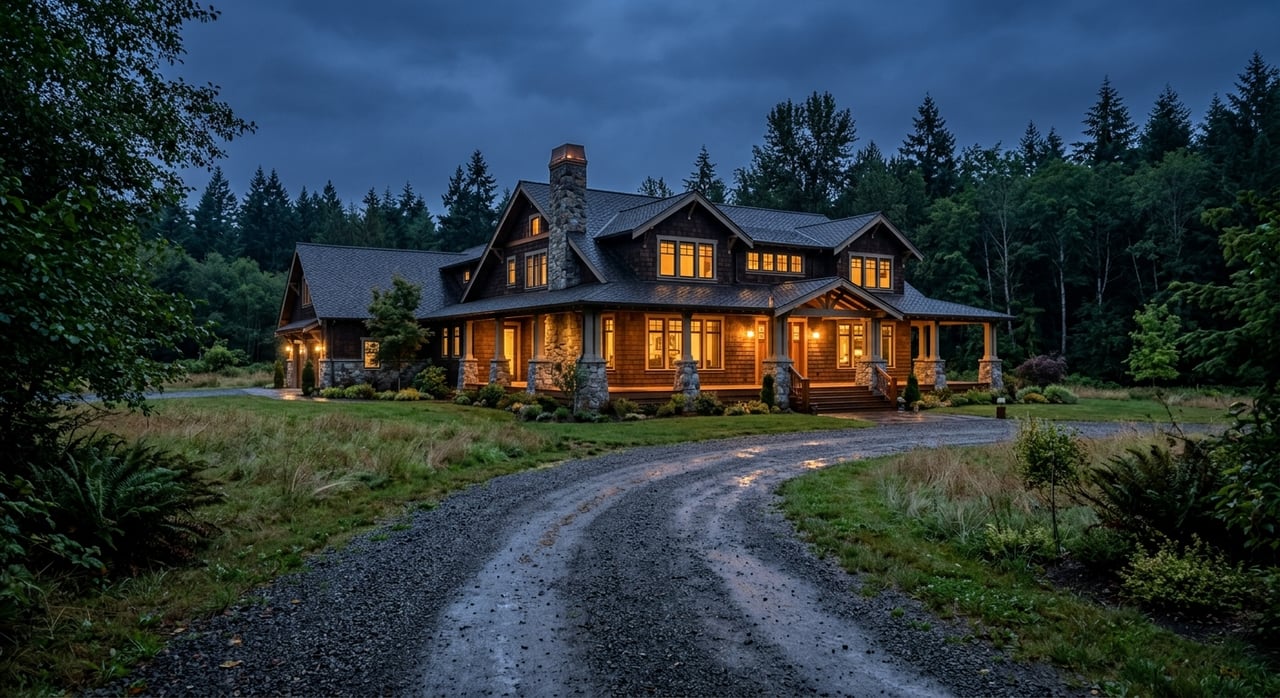
If you have ever dreamed about more elbow room, a shop, a barn, or simply a quieter stretch of land, acreage near Snohomish can feel like a refreshing change from dense suburban living. At the same time, more land usually means more responsibility, and that tradeoff is important to understand before you buy. This guide will help you picture daily life on acreage near Snohomish, from maintenance and permits to community feel and local due diligence. Let’s dive in.
What Acreage Living Near Snohomish Feels Like
Life on acreage near Snohomish is often about more than just square footage. The City of Snohomish describes itself through its historic district, waterfronts, agricultural setting, and small-town feel, which helps explain why the area appeals to buyers who want space without feeling completely disconnected from town.
That said, the day-to-day experience can vary depending on whether a property is inside city limits or in unincorporated Snohomish County. Many acreage properties fall under county rules, which can shape everything from development standards to animal services and property upkeep.
Tradeoffs You Should Expect
Acreage living usually means you are choosing land stewardship over walkable-density convenience. Instead of a smaller yard and fewer outdoor chores, you may be taking on mowing, drainage, weed control, septic care, well maintenance, and ongoing work around fences, sheds, barns, or animal areas.
For many buyers, that is part of the appeal. You get room to breathe, more privacy, and greater flexibility in how you use your property, but you also need to be comfortable with a more hands-on ownership experience.
Septic and Well Care Matter
Septic Is Part of Routine Ownership
Septic systems are a major part of rural ownership in Snohomish County. The Snohomish County Health Department oversees septic permitting, operation, and maintenance, and the county recommends having an up-to-date inspection completed by a licensed septic care provider.
The county also asks owners to follow the inspection interval for their specific system type. In practical terms, septic care is not something to think about only at closing. It becomes a regular part of responsible ownership.
Private Wells Need Ongoing Attention
If a property has a private well, water is also part of your regular checklist. The Washington State Department of Health says private well owners are responsible for testing their own water, and water-sampling results may be required in some counties when a home with a private well is bought or sold.
That means water quality is not just a one-time transaction item. If you are considering acreage, it helps to think of well testing as an ongoing habit, not a surprise task.
Vegetation and Animal Responsibilities
Weed Control Is Ongoing
On larger parcels, vegetation management can become one of the most visible parts of ownership. Snohomish County regulates noxious weeds and notes that these weeds can reduce crop yields, harm habitat, clog waterways, and affect livestock.
Not every weed has a legal control requirement, but the county still encourages property owners to address problem growth. For buyers, this is a reminder that acreage often comes with seasonal outdoor work that can add up quickly.
Animals Still Come With Rules
If you picture hobby farm life, it is smart to balance that vision with the county’s rules and expectations. In unincorporated Snohomish County, Animal Services handles complaints involving dogs, cats, and livestock, including livestock at large.
This matters because acreage does not mean total isolation. Even on larger parcels, you are still part of a broader community framework with county oversight and shared expectations around animals and property use.
Outbuildings and Future Projects
Many buyers look at acreage because they want more than a house. They may want a shop, a pole building, extra storage, fencing, a deck, or even an accessory dwelling unit, depending on the parcel and local rules.
Snohomish County lists barns, shops, storage sheds, fences, decks, and ADUs among common residential permit categories. The county also notes that some non-habitable structures under 400 square feet in rural zones may be exempt from building permits, though setbacks and environmental rules can still apply.
Clearing and Grading Can Trigger Review
A property may look ready for your plans, but site work can require approval. Snohomish County says a Land Disturbing Activity permit may be needed for significant clearing, grading, or paving.
That is why it helps to look past the home itself. Before you fall in love with a parcel, make sure you understand what it may take to build, expand, or rework the land the way you want.
Why Two Similar Parcels Can Feel Very Different
Acreage purchases are often more site-specific than buyers expect. Two listings might appear similar in size and price, but their usable land, maintenance needs, and future flexibility can be very different.
Snohomish County’s critical-area rules apply to wetlands, streams, lakes, wildlife habitat areas, frequently flooded areas, geologically hazardous areas, channel migration zones, and critical aquifer recharge areas. The county also says residential site plans must show critical areas and buffers when they are on or near the property.
Floodplain Review Is Important
Flood risk is another major part of local due diligence, especially near the river or other low-lying areas. Snohomish County maintains DFIRM floodplain maps, and FEMA flood insurance rate maps help show a property’s relationship to flood hazard areas and can affect flood insurance pricing.
This does not mean river-adjacent or lower-lying properties are automatically a bad fit. It means you should understand floodplain status early so you can make a clear, informed decision.
Resource Lands Affect Expectations
Some properties are in or near designated agricultural, forest, or mineral resource lands. Snohomish County says those properties may require additional real estate transfer documentation and may also be affected by normal resource-management activity nearby.
For buyers coming from a more typical suburban setting, this can be a meaningful difference. A home on acreage is often not just a house with a bigger yard. It may sit within a broader rural land-use pattern that shapes both the surroundings and the disclosures.
Daily Convenience Still Exists
One of the appealing parts of acreage near Snohomish is that you can enjoy a more rural lifestyle while staying connected to a real town center. The city describes historic downtown Snohomish as the heart of the community, with antiques, boutiques, coffee shops, bars, restaurants, and professional services.
The city also highlights events like the Snohomish Farmers Market, Snoho Art Walk, Fridays on First, and neighborhood cleanup days. For many buyers, this balance is what makes the area stand out. You can have room at home while still being close to local events and everyday destinations.
Parks and Trails Add to the Lifestyle
Snohomish also offers access to parks and open space within the city. The city says there are about 170 acres of parks and open space in city limits, and the Riverfront Trail runs along the north bank of the Snohomish River.
That mix of open land, small-town amenities, and recreational space helps create a lifestyle that feels both grounded and flexible. You are not choosing between country and community in a simple either-or way.
Is Acreage Near Snohomish Right for You?
Acreage near Snohomish tends to fit buyers who want breathing room and are comfortable with the realities of property stewardship. That can include septic maintenance, well testing, weed control, drainage planning, permitting questions, and occasional animal-related responsibilities.
In return, you may gain privacy, flexibility, and a setting that feels more connected to the land. If that trade feels worthwhile to you, acreage near Snohomish can offer a very rewarding lifestyle with close access to a historic downtown and a distinct sense of place.
If you are weighing acreage options in Snohomish County and want a calm, detail-oriented guide through the process, Hawkins & O'Bryant can help you evaluate properties with clarity and confidence.
FAQs
What is daily life on acreage near Snohomish like?
- Daily life on acreage near Snohomish often includes more outdoor upkeep, such as mowing, drainage, weed control, septic care, well maintenance, and managing outbuildings or animal areas.
What should buyers know about septic systems in Snohomish County?
- Snohomish County says septic permitting, operation, and maintenance are handled through the Health Department, and owners should keep inspections current based on their system type.
What should buyers know about private wells near Snohomish?
- The Washington State Department of Health says private well owners are responsible for testing their own water, so well care is an ongoing ownership task rather than just a closing item.
Do acreage properties near Snohomish have more permit issues?
- They can, because projects involving shops, barns, sheds, decks, ADUs, clearing, grading, or paving may require county review, permits, or compliance with setbacks and environmental rules.
Why do two Snohomish acreage listings with similar size feel so different?
- Parcel-specific factors like wetlands, buffers, floodplain status, drainage, and resource-land proximity can affect how much of the land is usable and what future changes may be allowed.
Does acreage near Snohomish still offer access to town amenities?
- Yes. Many buyers are drawn to the area because they can enjoy a more rural property setting while staying close to historic downtown Snohomish, parks, trails, and local community events.