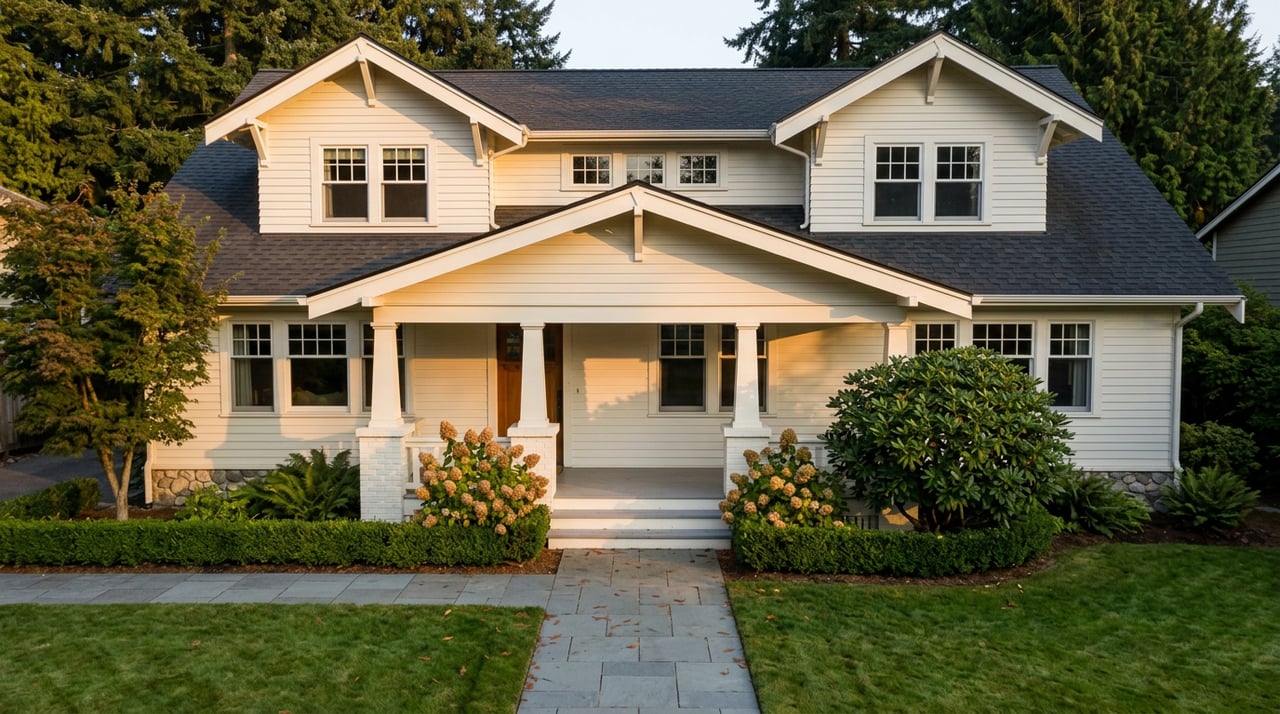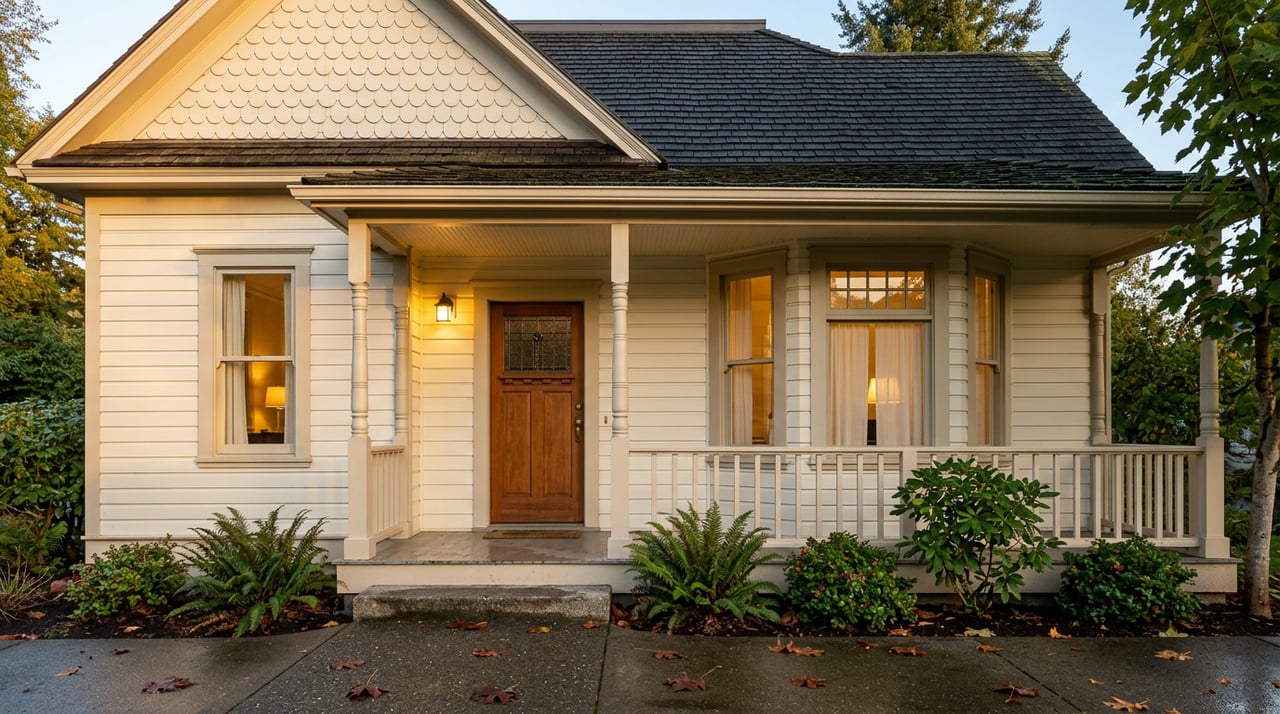
Do you feel that pull when you see a wide front porch, tall windows, and detailed trim on a classic Snohomish home? You are not alone. Character homes here offer warmth, craftsmanship, and a tangible connection to the city’s early days. In this guide, you will learn what “historic” means in Snohomish, the inspections that matter, how design review works, and smart ways to finance and insure your purchase. Let’s dive in.
What “historic” means in Snohomish
Snohomish established its Historic District in 1973, and the area was listed on the National and State Registers in 1974. The district includes a compact downtown core with adjacent residential blocks filled with late 19th and early 20th century homes. If you walk those streets, you will see Craftsman bungalows, Queen Anne and Victorian styles, Colonial Revival, and Four Square influences. The look is defined by wood siding, vertically oriented windows, prominent porches, and detailed trim. You can explore the district’s history and boundaries on the city’s Historic District page.
- Learn more about the district’s background on the City of Snohomish Historic District page: Historic District overview
- See style guides and character elements in the Snohomish Historic District Design Standards: Design Standards PDF
Character and design review
Inside the Historic District, visible exterior changes usually trigger design review. The city follows the Secretary of the Interior’s Standards through its local code and design standards. Character‑defining features like roof forms, window patterns, porches, siding, and trim are priority items to preserve. When replacements are necessary, the standards favor in‑kind materials and profiles that match historic appearance.
- For governing standards and procedures, review the municipal code reference: Snohomish Municipal Code Title 14
What to expect in older building systems
Historic homes are durable, but age and past alterations mean you should plan for a thorough evaluation. Here are common items to consider before you write an offer.
Electrical
Many older homes still carry cloth‑insulated or knob‑and‑tube wiring. K&T lacks grounding and can be a red flag for insurers and safety‑minded buyers. Budget for a licensed electrician to evaluate and plan upgrades where needed.
- Learn how older wiring works and where risks show up: Knob‑and‑tube and old house wiring
Plumbing and sewer
Galvanized or cast‑iron supply lines and older sewer laterals are common in historic neighborhoods. A sewer‑scope is often recommended to check the line to the street. If your inspector finds restrictions or breaks, you will want bids before closing.
Lead paint and possible asbestos
If the home predates 1978, assume there may be lead‑based paint. Federal rules require disclosures and safe practices if you plan to disturb painted surfaces. If you expect to remove old flooring, pipe insulation, or certain ceiling materials, budget for testing before demolition.
- Read the EPA’s consumer guide: Protect Your Family From Lead in Your Home
Structure and moisture
Older foundations may be stone, brick, or shallow concrete. Look for signs of settlement, sloping floors, porch rot, and drainage problems. If your inspector flags movement or widespread decay, a structural engineer review is a smart next step. Preservation guidance consistently advises fixing moisture at the source before cosmetic work.
Windows, roofs, and siding
Original wood windows, cedar shingle roofs, and wood siding are part of the district’s character. Many experts recommend repairing and weatherizing original wood windows and adding storm windows rather than replacing them outright. This approach preserves the look while improving performance.
- Practical guidance on repairing historic windows: NPS Brief on Wooden Windows
Before you make an offer: a due‑diligence checklist
Use this list to shape your contingencies and pre‑offer preparation. It helps clarify costs and keeps your options open during negotiations.
- Comprehensive home inspection by an inspector experienced with older homes
- Sewer‑scope camera inspection of the lateral to the street
- Lead‑based paint inspection or risk assessment for pre‑1978 homes
- Asbestos sampling if planned work will disturb suspect materials
- Chimney and fireplace inspection
- Pest inspection
- Structural engineer evaluation if the inspector notes foundation or framing concerns
- Review seller disclosures. In Washington, sellers complete a statutory disclosure form under RCW 64.06. Ask for past permits and any contractor invoices.
- Confirm insurance insurability early, especially if the home has K&T wiring, outdated plumbing, or a wood‑shake roof
For required lead information when buying pre‑1978 homes, keep the EPA pamphlet handy: Protect Your Family From Lead in Your Home.
Permits and design review in Snohomish
Design review is routine in the district
If your property sits inside the Historic District, exterior projects generally go through the Design Review Board. This step runs alongside building permits and follows the city’s Historic District Design Standards. Interior work that does not affect the exterior appearance is less likely to trigger review, but always confirm with staff.
- Start here for process and contacts: City Design Review and Planning
Permitting basics and who to call
The City Hall Permit Center is your intake point for building, land use, and public works permits. Electrical permits are handled by Washington State Department of Labor and Industries, so electrical upgrades or rewiring will go through state L&I inspections. Ask the seller for the property’s permit history and confirm with the Permit Center to see what work has been documented.
- Apply or verify permits through the city portal: Permit Center
Demolition and additions
Significant demolition and any visible additions usually require review and approval. The city’s standards favor repair and rehabilitation that retain character. When you add new work, it should be compatible with the home’s style and materials but still distinguishable as new.
- For adopted standards and procedures, see the municipal reference: Snohomish Municipal Code Title 14
Financing, insurance, and local incentives
Renovation loans to combine purchase and rehab
If your dream home needs updates, renovation mortgages can help you finance repairs as part of your purchase. The FHA 203(k) program and conventional options such as Fannie Mae’s HomeStyle Renovation require an approved scope and contractor bids. Ask your lender about timelines and draw processes so your plans match the loan’s requirements.
- FHA program details: HUD FHA 203(k)
Insurance for older or historic homes
Premiums may be higher for homes with obsolete systems or wood‑shake roofs. Some carriers offer specialized endorsements like ordinance and law coverage or extended replacement cost. An experienced agent can explain options for historic or older properties and what upgrades could improve eligibility.
- What to know before you bind a policy: Insuring older and historic homes
Incentives and tax relief for rehabilitation
Snohomish County offers a Historic Preservation Grant program and references a statewide Special Valuation property‑tax incentive under RCW 84.26. Projects usually must meet minimum investment thresholds and require a preservation agreement. If you plan a major rehabilitation, talk with county staff early to understand application windows and requirements.
- County programs and contacts: Snohomish County Historic Preservation Commission
If you are serious: next steps
- Schedule a quick call or pre‑application check‑in with City planning staff to confirm design review needs and timelines.
- Request the property’s permit history and any available historic photos or documentation from the seller. Local groups like the Snohomish Historical Society or the Blackman House Museum can be helpful for context.
- Get ballpark bids for the highest‑risk items your inspector flags, such as wiring, foundation work, or window restoration. Share your scope with your lender if you plan to use a renovation mortgage.
- Map out your first‑year plan. Start with water management, structural safety, and electrical updates before taking on finishes.
Your historic‑home team
Consider assembling a bench of specialists before you close. You will move faster and avoid surprises.
- Historic‑house home inspector with older‑home experience
- Licensed electrician comfortable evaluating and replacing K&T wiring
- Structural engineer for foundations and framing
- Lead and asbestos testing firm for pre‑work sampling
- Historic window or millwork restoration specialist
- General contractor experienced with Snohomish design review and permitting
Local resources
- Historic District background and map: City of Snohomish Historic District
- Design Standards for the district: Snohomish Historic District Design Standards PDF
- Design Review process and contacts: City Design Review and Planning
- Permit Center and online portal: City of Snohomish Permitting
- Preservation incentives and grants: Snohomish County Historic Preservation Commission
- Lead regulations and buyer pamphlet: EPA Lead Resource
- Technical window repair guidance: NPS Brief on Wooden Windows
Buying a historic home in Snohomish should feel exciting, not overwhelming. With a clear plan, the right experts, and a calm, methodical approach, you can protect what makes the home special while updating it for modern life. If you would like a steady partner to guide inspections, permits, and negotiations, connect with Hawkins & O'Bryant. We will help you buy with confidence and bring out the best in your historic home.
FAQs
What is the Snohomish Historic District and how does it affect buyers?
- It is a designated area established in 1973 and listed on state and national registers in 1974, where exterior changes often require design review to preserve historic character.
Do I need approval to change windows on a historic Snohomish home?
- Usually yes if the home is in the Historic District, since windows are character‑defining; the city favors repair and like‑for‑like replacement that matches historic profiles.
Which inspections are essential for a pre‑1920 Snohomish house?
- A comprehensive home inspection, sewer‑scope, lead assessment for pre‑1978 paint, chimney and pest checks, and a structural engineer review if foundation issues are suspected.
Can I finance renovations as part of my mortgage on a historic home?
- Yes, renovation loans like FHA 203(k) and some conventional products can combine purchase and rehab funds, but you need lender approval of scope and costs.
Are there tax incentives for rehabilitating a historic home in Snohomish County?
- The county references a statewide Special Valuation program under RCW 84.26 for qualifying work, which requires an application, thresholds, and a preservation agreement.
Will knob‑and‑tube wiring affect my ability to insure a historic home?
- It can, since some insurers limit coverage for obsolete systems; an electrical evaluation and planned upgrades can improve your options and premiums.