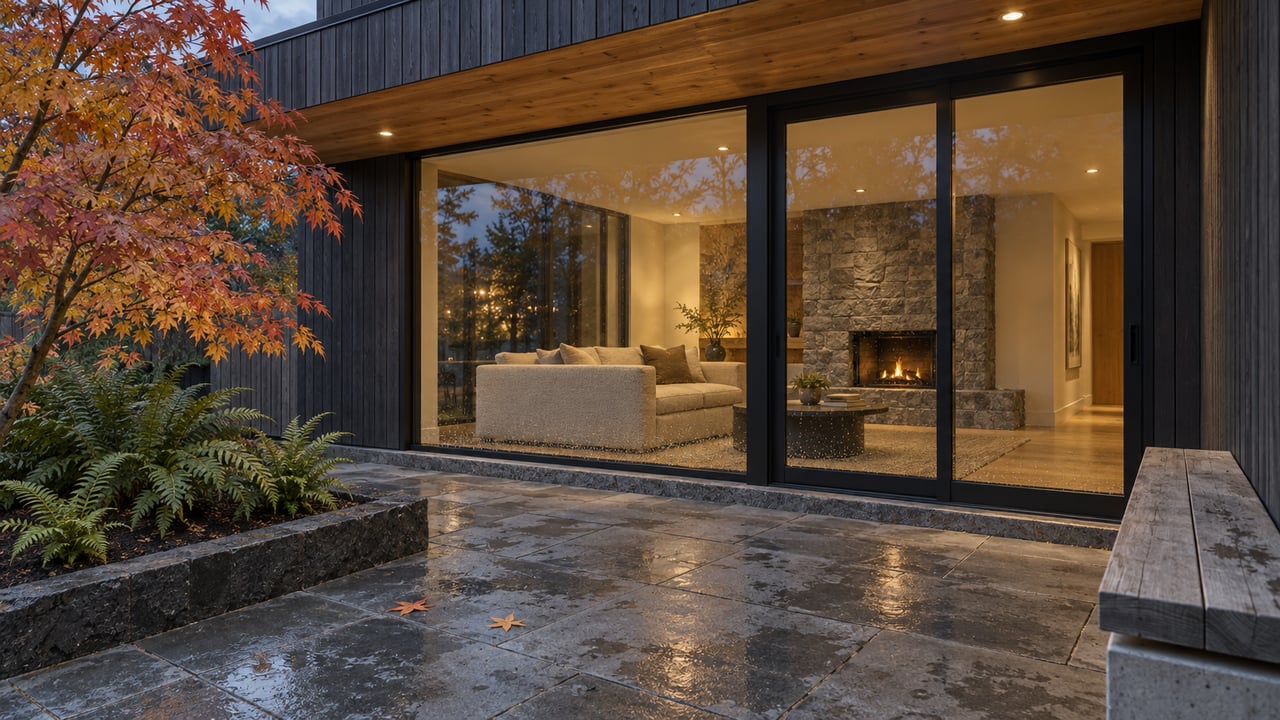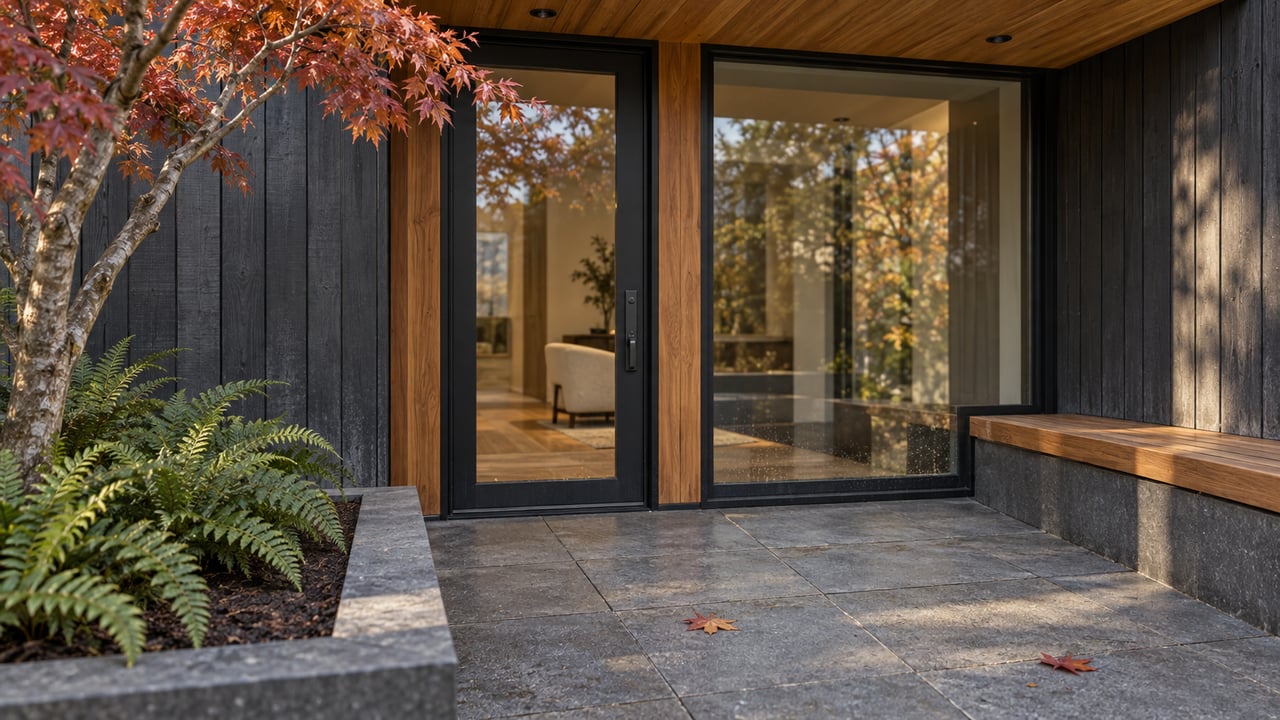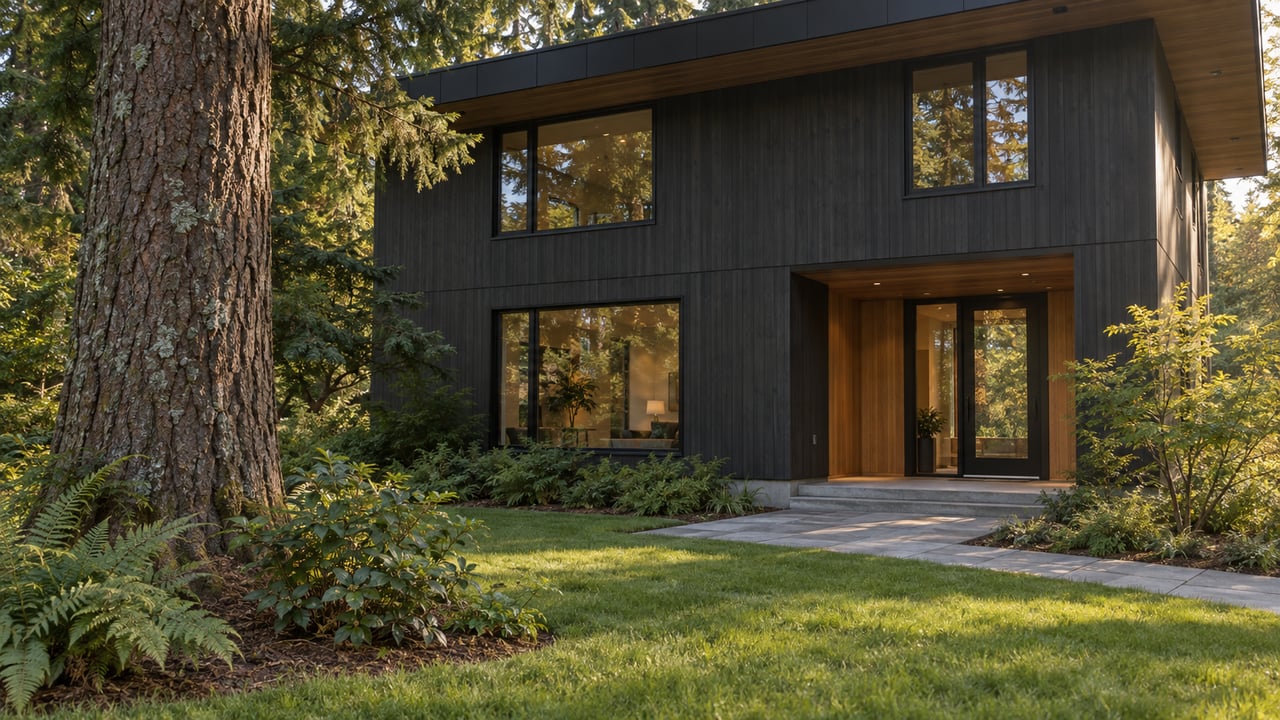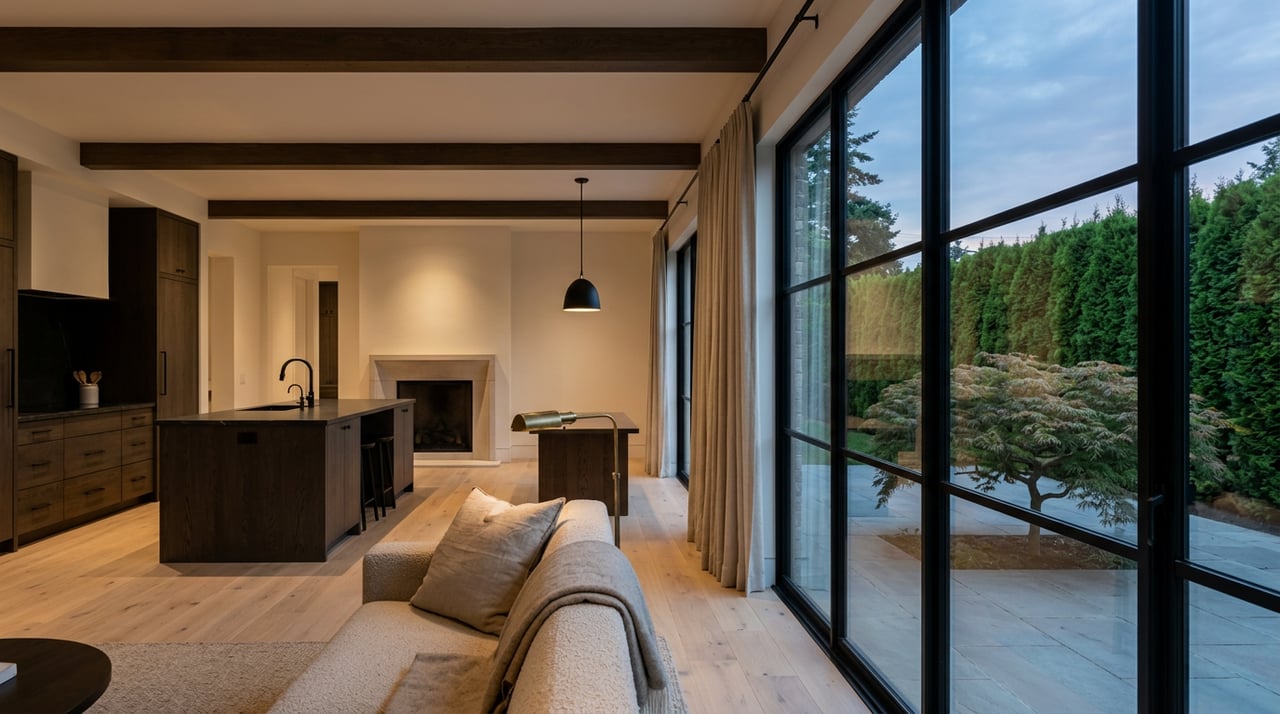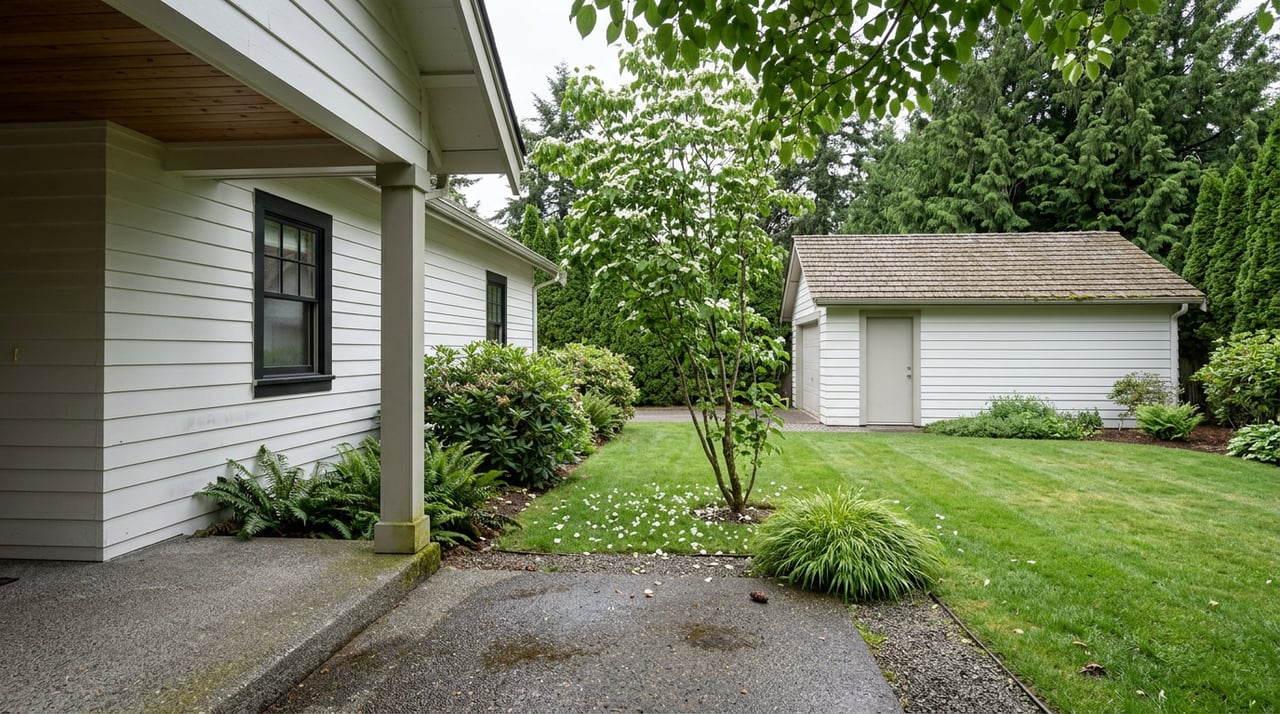
Two homes a few blocks apart in Edmonds each have a backyard cottage behind the main house. Both look identical from the sidewalk: detached, one story, a covered entry, maybe 400 to 500 square feet. One of them can be marketed to a buyer as fully compliant living space with financing behind it. The other, built under an older permit, is legal to keep exactly as it stands but cannot be expanded or modified without the current code applying in full. Nothing about the structure tells you which one you're looking at. Only the permit history does.
That gap between what a property looks like and what its paperwork says is the real story behind Edmonds' accessory dwelling unit rules right now, and it matters more to sellers than most people realize.
Three rule changes in twenty months
Edmonds hasn't simply "loosened up on ADUs" the way a lot of secondhand chatter suggests. The city has revised the rule three separate times since mid-2024, each round layering onto the last.
| Date | What changed |
|---|---|
| June 11, 2024 | City Council adopted an ADU code update aligning with Washington's HB 1337, allowing up to two accessory dwelling units per single-family lot in various attached and detached configurations. |
| June 2025 | Adam Cobb reports that the city adopted a Middle Housing ordinance that replaced blanket single-family zoning with a three-tier Low-Density Residential system: LDR-S, LDR-M, and LDR-L, each with its own development limits. |
| September 2025 | Ordinances 4397 and 4398 renumbered and amended the ADU chapter of the Edmonds Community Development Code. |
| January 15, 2026 | The code was codified through Ordinance 4427, the version currently in effect. |
Four separate legislative actions in a year and a half is not a rounding error. It means a permit pulled in early 2024 was reviewed against different standards than one pulled today, and the standards in between shifted at least twice more.
The clause that decides what you can advertise
Buried in the current ADU chapter, ECDC 16.20.060, is the provision that actually governs resale conversations: ADUs previously approved by the City of Edmonds may continue and are not subject to the current standards, unless the owner proposes an expansion or modification, at which point the unit must come into full compliance with the rules in place today.
This is the mechanism that creates the two-cottage scenario above. An ADU permitted in, say, 2019 or 2021 doesn't need to retrofit its setbacks or parking to match 2026 code. It sits under whatever rules applied when it was approved, frozen in place, as long as nobody touches it. The moment a seller or buyer wants to add a window, expand the footprint, or convert a garage bay into finished space, the entire current code snaps into effect for that unit.
For a seller, this means the honest answer to "is the ADU legal" is rarely a yes or no. It's "legal under which version, and is anyone planning to change it." A buyer's agent who asks for the original permit and approval date isn't being difficult. They're trying to figure out which rulebook applies before their client makes an offer that assumes flexibility the structure doesn't have.
What your lot can actually hold depends on the overlay
Even for a new ADU built entirely under current rules, size limits aren't uniform across the city. The Middle Housing ordinance's LDR-S overlay caps a unit at 1,000 square feet, while LDR-M and LDR-L overlays allow up to 1,200 square feet. Total structural lot coverage across all buildings on the parcel is capped at 35 percent regardless of overlay.
There's also a setback quirk that rewards a specific kind of lot. A detached ADU needs no rear setback at all if its rear lot line abuts a public alley, no matter the unit's size, as long as it clears overhead electrical lines and sightline requirements.
None of this shows up in a listing photo. A buyer comparing two similarly priced Edmonds homes, one on an alley-served lot and one without, may be comparing genuinely different ceilings on what each property can eventually hold, even before either owner has built anything.
The parking rule that trips up a second unit
If a homeowner wants to take advantage of the full two-ADU allowance, one detail catches people off guard: the first ADU on a lot requires no additional off-street parking space, but a second one does, unless the property sits within a half mile of a major transit stop.
That transit exception matters more in Edmonds than it would in a city with less varied topology. A downtown or Highway 99 corridor property near a transit stop can add two ADUs with no parking obligation attached to either. A hillside or Meadowdale-area lot further from transit service faces a real parking constraint on the second unit, which for a narrower lot can be the difference between the addition being feasible or not.
Before assuming a lot can support the full two-unit allowance, a seller or buyer should check three things:
- Is the parcel inside Edmonds city limits, since some "Edmonds" mailing addresses actually sit in unincorporated Snohomish County under a different permitting authority
- Which LDR overlay applies to the specific lot, since that sets the maximum ADU size
- Whether the lot is within a half mile of a major transit stop, since that determines the parking requirement for a second unit
Why an ADU isn't automatic equity
The general assumption floating around Edmonds right now is that any ADU, existing or planned, adds straightforward value to a home. The county's own numbers complicate that.
Snohomish County's assessor reported that 2025 countywide residential assessed values were nearly flat, with the Edmonds market area specifically down 2.28 percent, even as some other parts of the county saw modest increases. Adding livable square footage does typically raise a property's assessed value, since the assessor factors in new construction separately from the annual market adjustment, but that increase is happening inside a market that just posted a decline in its base value. The math on whether an ADU pencils out depends on construction cost, expected rent, and the specific comparable sales an appraiser pulls for that block, not a blanket rule that square footage equals proportional price.
Rental income for an Edmonds ADU generally lands in a range wide enough that any single number quoted online should be treated as a starting point rather than a promise. The honest version for a seller is this: an ADU is a genuine selling point when it's documented, permitted, and legally straightforward to explain. It's a liability when a buyer's agent has to spend a week untangling which code year applies before their client can even estimate what the unit is worth.
What this means before you list
If there's an existing ADU on the property, the file to gather isn't the marketing copy, it's the permit record. The original approval date tells a buyer's lender and appraiser which rulebook governs the unit, and whether anything about it (a converted garage, a modified footprint) has already triggered a full compliance review. The City of Edmonds Building Division maintains permit records that can be searched by address, and having that documentation ready before the home goes live saves a week of back and forth once an offer is on the table.
If there's no ADU yet but the lot has room, knowing the overlay and transit distance ahead of a listing lets a seller frame the property's potential accurately rather than leaving a buyer to guess. Overpromising what a lot can support creates the same friction as an undocumented existing unit: a buyer's agent who has to verify a claim the listing made too casually.
A few direct questions
Does an ADU permitted before 2024 need to be brought up to current code just because the house is being sold? No. The grandfather clause in ECDC 16.20.060 lets a previously approved ADU continue under the rules that applied when it was permitted. Compliance with the current code is only triggered if the unit itself is expanded or modified.
Can a detached garage be converted into an ADU under current rules? Yes. The code specifically allows detached ADUs to be created in existing legally permitted buildings, including detached garages, though the conversion still requires a residential building permit and must meet current health and safety standards.
Does building a second ADU always require an extra parking space? Only if the property sits more than a half mile from a major transit stop. Within that half mile radius, no additional parking is required for either the first or second unit.
If you're weighing whether to add an ADU before listing an Edmonds property, or you're trying to figure out what an existing unit is actually worth to a buyer, that's exactly the kind of detail that changes a pricing conversation. Brian Hawkins and Cyrus O'Bryant work through permit history and zoning specifics with Eastside and Snohomish County sellers before a home ever goes on the market. Request a free home valuation and bring the ADU questions with you.
This article is general information, not legal, tax or financial advice. Consult a qualified professional about your situation.