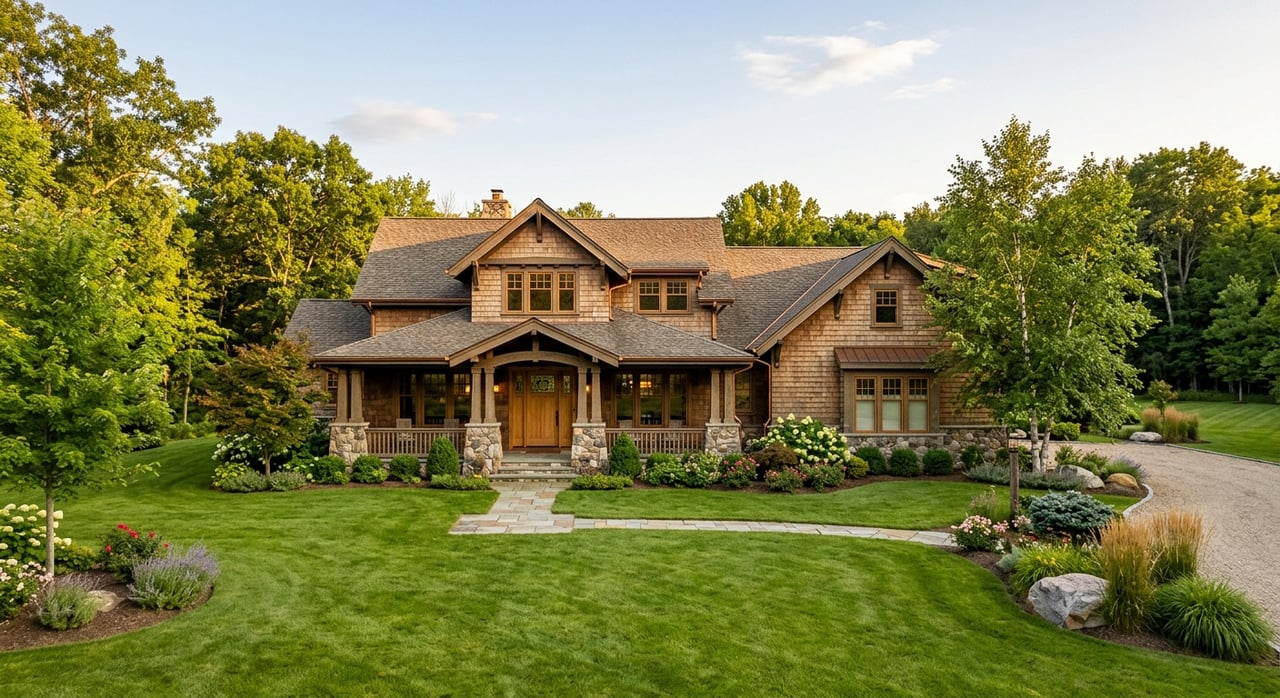
Wondering if moving out of the city could give you more breathing room without cutting you off from the region? If Snohomish is on your radar, you are probably weighing a lifestyle shift as much as a real estate decision. The good news is that Snohomish offers a distinct mix of small-city character, historic charm, and regional access, but it also comes with trade-offs worth understanding before you make a move. Let’s dive in.
Why Snohomish Feels Different
Snohomish is not just a suburb with a quieter pace. It is a small city with a 2024 Census population estimate of 10,534, and its identity is closely tied to its long history. The city was founded in 1859, incorporated in 1890, and its historic business and residential center is listed on the National Register of Historic Places.
That history shows up in daily life. Downtown and the riverfront play a major role in how the city feels, with sidewalks, mature street trees, shops, restaurants, parks, and pedestrian activity all shaping the experience. The city also notes about 170 acres of parks and open space within city limits, along with a 0.3-mile Riverfront Trail that offers a calm downtown escape.
For many buyers, this is the biggest shift from a faster urban routine. Snohomish can feel more grounded, more local, and more connected to place. If you are looking for a setting where your day-to-day life feels less rushed, that difference may stand out right away.
What “More Space” Can Mean
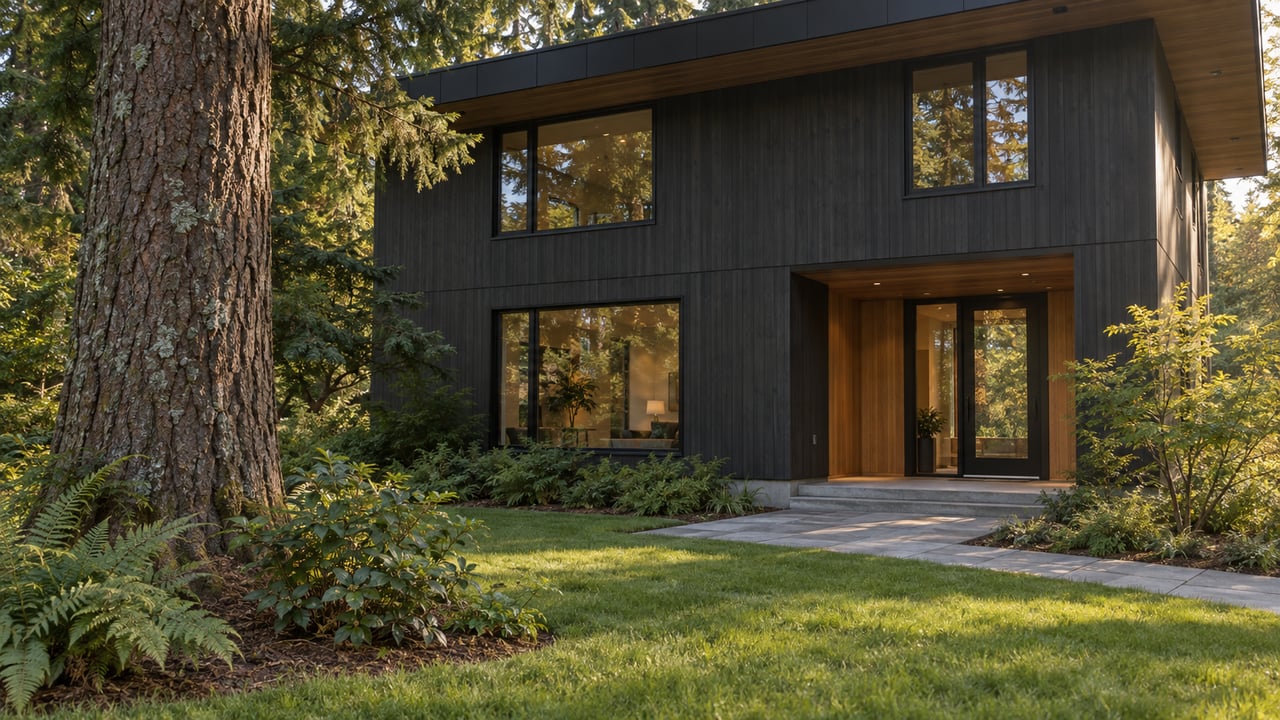
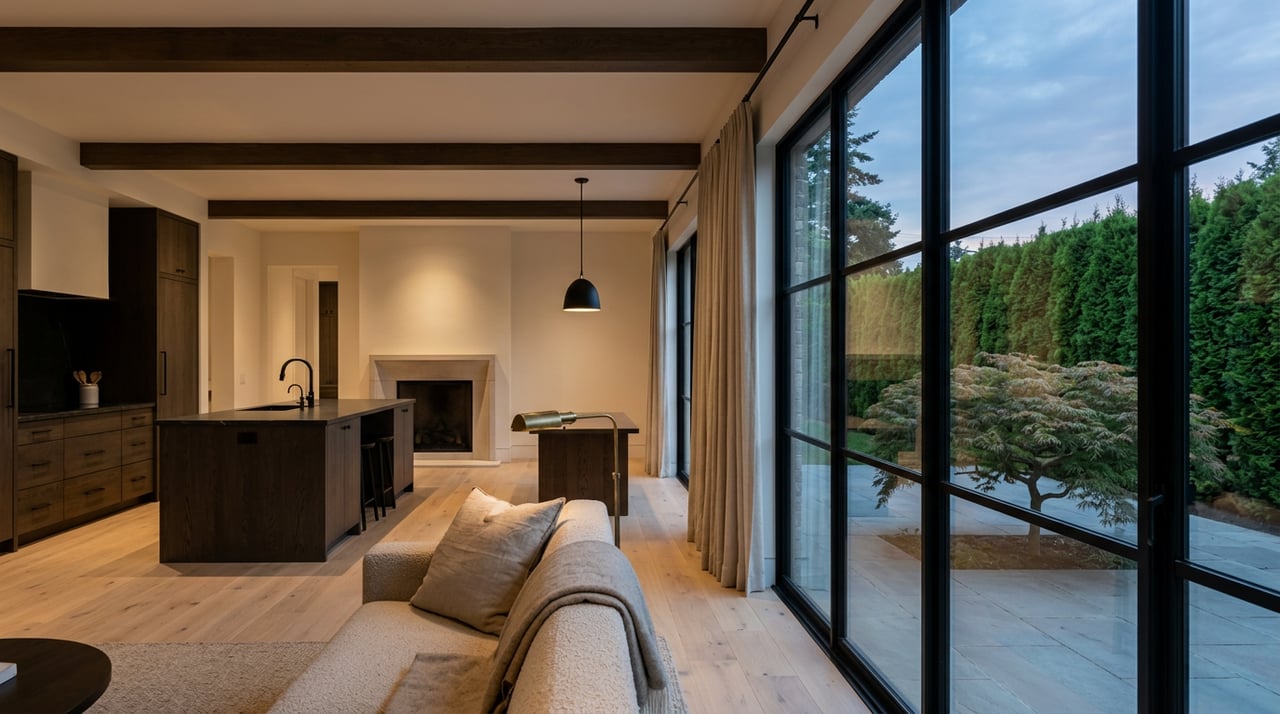
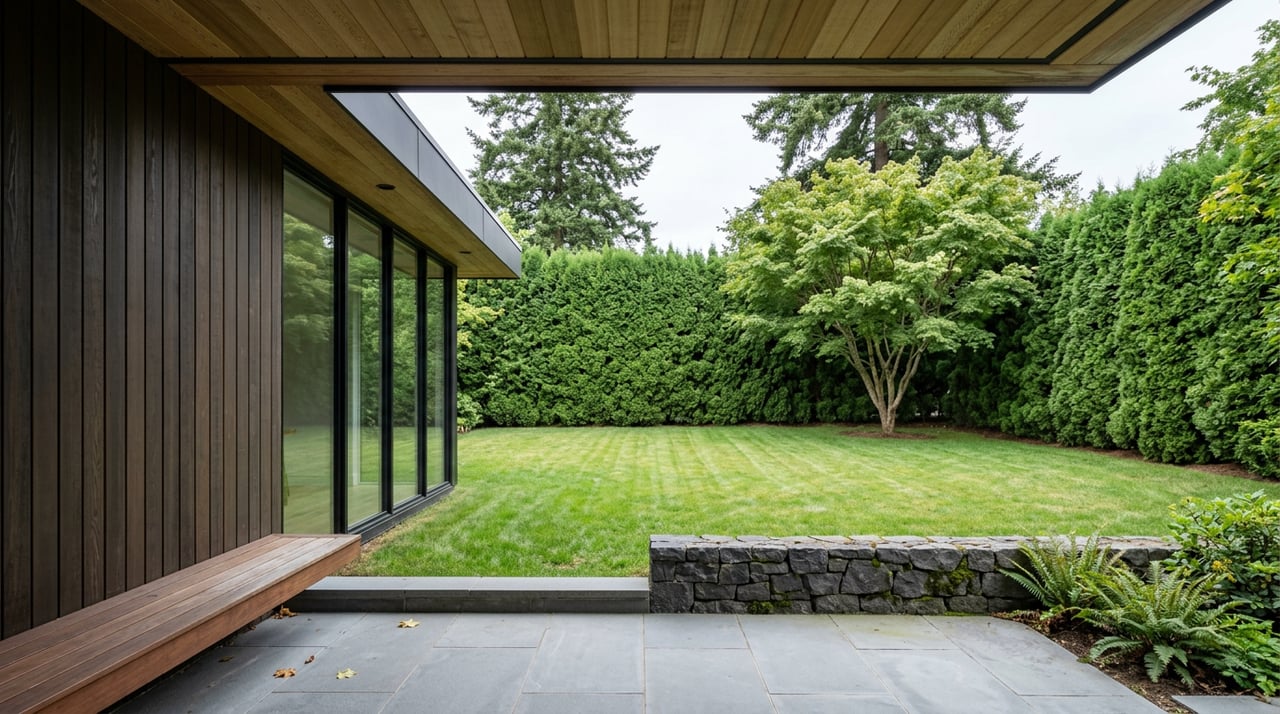
When people picture a move from city living to Snohomish, they often imagine more land, more square footage, or a home with a different kind of layout. In many cases, that instinct is right, but it helps to understand the local housing mix before you start browsing listings.
The city reports 4,461 dwelling units and allows accessory dwelling units and manufactured housing, while also studying middle housing types. Its 2024 housing element says nearly two-thirds of the housing stock is detached single-family homes and just over one-third is multifamily.
That means you may find a broader range of living options than expected, but detached homes still make up the largest share of the market. If your goal is a traditional house with more separation from neighbors, Snohomish may align well with that search.
At the same time, more space does not always mean a lower monthly cost. Census QuickFacts show a median owner-occupied home value of $683,900, median monthly owner costs with a mortgage of $2,580, and median gross rent of $1,654. If you are relocating for room to spread out, it is smart to frame the decision around lifestyle and fit, not just the assumption of a bargain.
Older Homes Are Part of the Appeal
One of Snohomish’s defining features is its older housing stock. The city’s 2024 housing element says Snohomish has more remaining pre-1939 housing than neighboring Snohomish County cities, and the median year of construction is 1989.
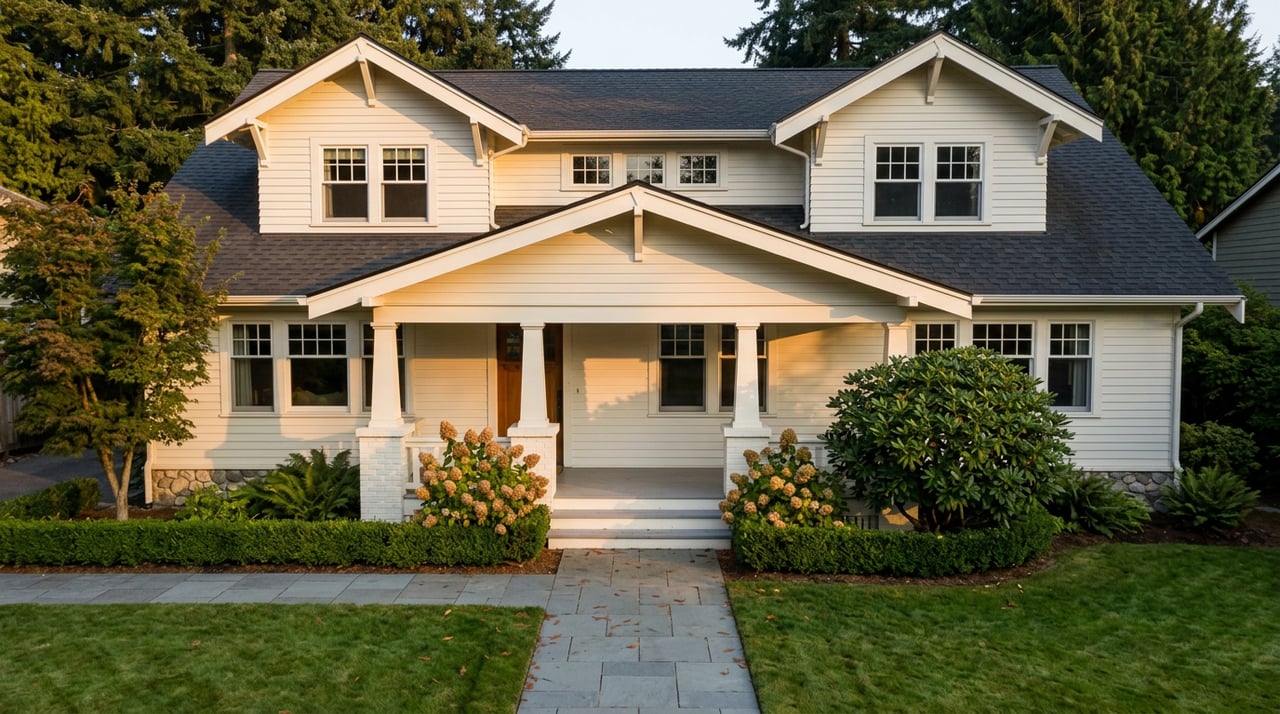
For buyers, that can be a major draw. Older homes often offer character, established surroundings, and details that feel different from newer subdivisions. If you are hoping for a home with history or a neighborhood that feels settled, Snohomish may offer more of that than nearby cities.
But character usually comes with questions. Older homes can require more careful review of condition, systems, repairs, and updates. If you are considering a historic or older property, you will want to think honestly about how much upkeep feels manageable and how much updating you are prepared to take on over time.
Commuting From Snohomish
A move to Snohomish can change the rhythm of your day, especially if you still work elsewhere in the region. The city’s housing element says the local workforce commutes throughout Snohomish County and the broader Puget Sound region, so this is a common part of local life.
Snohomish describes itself as sitting at the nexus of Highway 9 and Highway 2, with access to regional industries including aerospace, maritime, and medical. In practical terms, that supports a commute pattern that is often car-based, even if your home environment feels more small-city and less urban.
Transit connections do exist, but they are more about regional access than urban-style convenience. Community Transit connects riders to Link at Lynnwood City Center, Mountlake Terrace, and Shoreline North/185th. Sound Transit also notes that ST Express buses reach Seattle and Bellevue from Everett and Lynnwood, while Sounder North Line serves Everett, Mukilteo, Edmonds, and downtown Seattle during weekday commute windows.
The transit picture is improving as well. Current Link service reaches Lynnwood, and Sound Transit’s Everett Link Extension is planned to add 16 miles and six stations in Snohomish County. Still, if you are used to dense urban transit access, Snohomish may feel like a different setup that requires more planning.
Choosing the Right Part of Snohomish
Not every move to Snohomish means the same lifestyle. The city is actively managing how preservation, housing, and walkable development fit together, and that matters when you are choosing where to live.
Historic District standards are designed to preserve older commercial and residential structures. The Pilchuck District mixes commercial and residential uses, while the Midtown District is intended to be pedestrian-oriented, human-scale, and mixed use. The city adopted its 2024-2044 Comprehensive Plan on November 19, 2024, which shows that this balance between preserving character and guiding growth is an active priority.
For you as a buyer, this creates a useful lens. Some areas may appeal more if you want historic-core character. Others may make more sense if you value mixed-use convenience or a more residential feel.
Practical Questions To Ask Yourself
Before you move from a city-paced lifestyle to Snohomish, it helps to focus on a few practical questions:
- How often will you need to commute each week?
- Do you want an older home with character, even if it may need more upkeep?
- Is walkability near downtown or the riverfront important to you?
- Would you prefer a mixed-use setting or a quieter residential pocket?
- Are you expecting more space, lower costs, or both?
These questions matter because Snohomish offers real benefits, but they are not one-size-fits-all. The best move is usually the one that matches how you actually live.
Flood Zones Matter Near The River
If river-adjacent property is part of the appeal, make flood due diligence a priority early in your search. The city says FEMA flood maps identify where mortgage lenders may require flood insurance and where special flood-zone development regulations apply, including areas near the Pilchuck and Snohomish rivers.
That does not mean river-area homes are off the table. It simply means you should evaluate them with clear eyes and a strong understanding of the property’s location, insurance implications, and any related requirements.
For many buyers, this is one of the most important practical differences between admiring an area and purchasing in it. A calm, informed review upfront can help you avoid surprises later.
Is Snohomish A Good Fit For You?
Snohomish can be a compelling option if you want more breathing room, a strong sense of place, and a home environment that feels different from a faster urban core. Its downtown, riverfront, historic identity, and detached-home-heavy housing mix all support that appeal.
At the same time, this move works best when your expectations match the reality of the market. Housing costs may still be substantial, older homes can require extra diligence, and commuting often takes more planning than it would in a denser city environment.
If you are considering a move, the goal is not just to find more space. It is to find the right kind of space for your routine, priorities, and long-term plans. That is where thoughtful guidance can make the process feel much more clear.
If you are weighing a move to Snohomish and want calm, strategic guidance on how the location, housing mix, and lifestyle trade-offs fit your goals, Hawkins & O'Bryant can help you evaluate the move with confidence.
FAQs
What is Snohomish like for someone moving from a city?
- Snohomish offers a smaller-city feel with a historic downtown, riverfront access, sidewalks, parks, and a slower daily pace than many urban environments.
What kinds of homes are common in Snohomish?
- Snohomish has a housing mix that includes detached single-family homes, multifamily housing, accessory dwelling units, and manufactured housing, with detached homes making up nearly two-thirds of the stock.
Are homes in Snohomish older than in nearby cities?
- Yes. The city’s 2024 housing element says Snohomish has more remaining pre-1939 housing than neighboring Snohomish County cities, and the median year of construction is 1989.
Is Snohomish an affordable alternative to city living?
- Not automatically. Census data show a median owner-occupied home value of $683,900, median monthly owner costs with a mortgage of $2,580, and median gross rent of $1,654.
How do people commute from Snohomish to the region?
- Many residents commute by car using Highway 9 and Highway 2, while regional transit connections include Community Transit links to Link and Sound Transit services from nearby hubs such as Everett and Lynnwood.
Do Snohomish homebuyers need to think about flood zones?
- Yes. The city says flood maps identify areas where lenders may require flood insurance and where special flood-zone regulations apply, especially near the Pilchuck and Snohomish rivers.