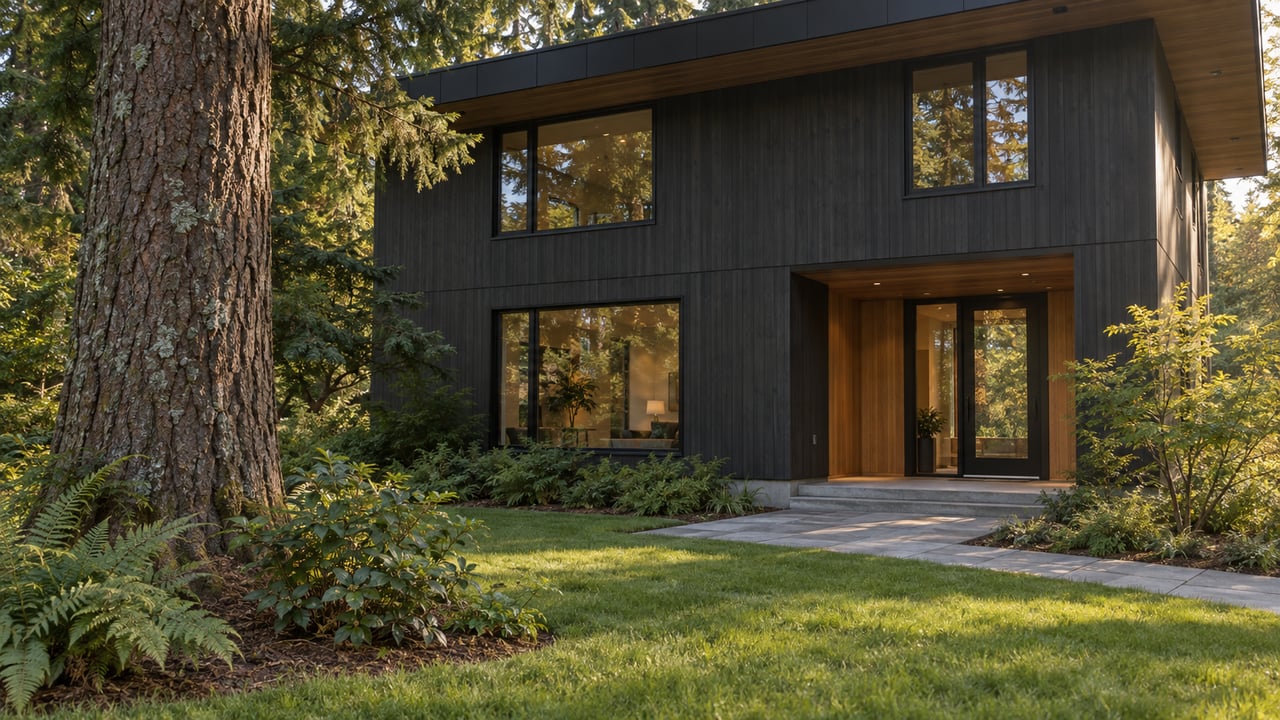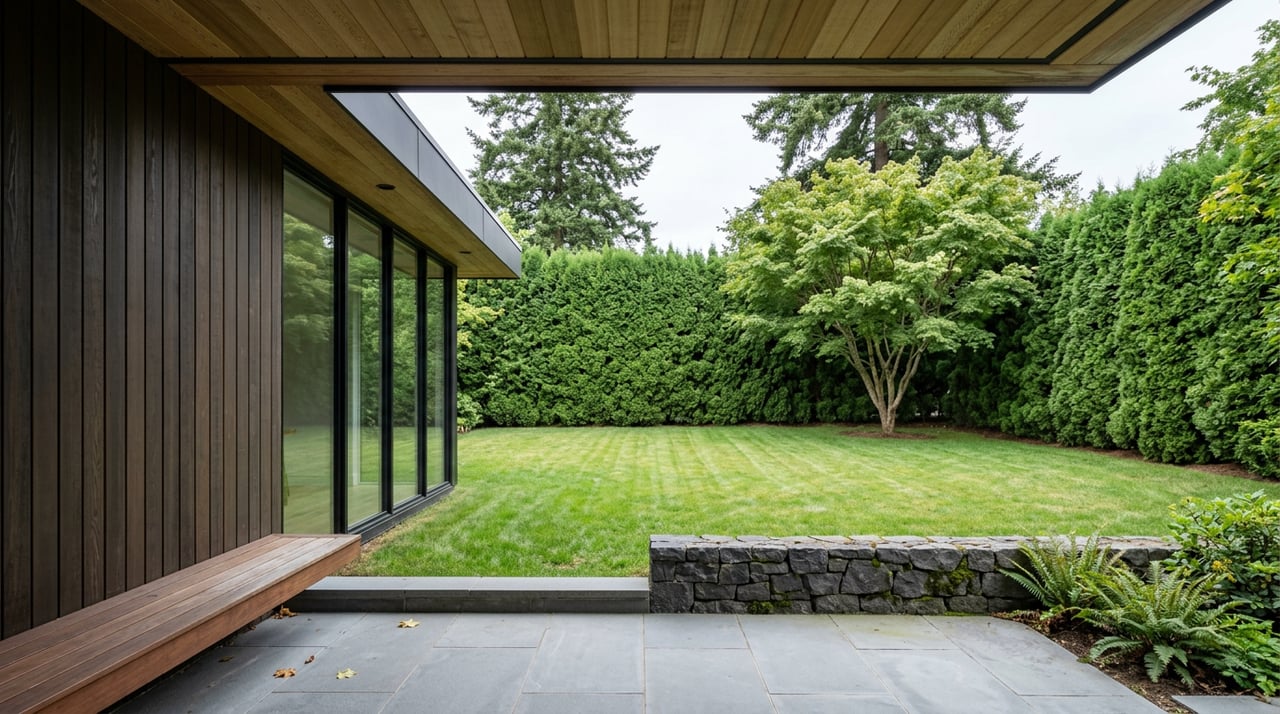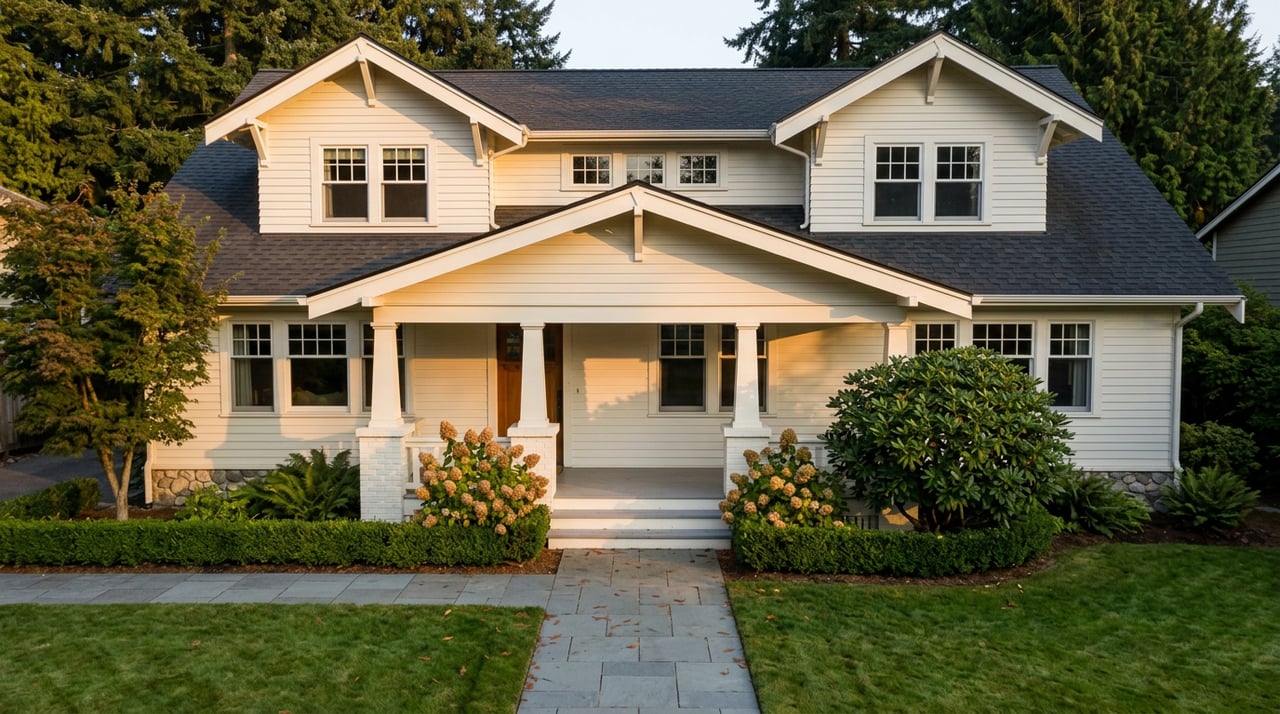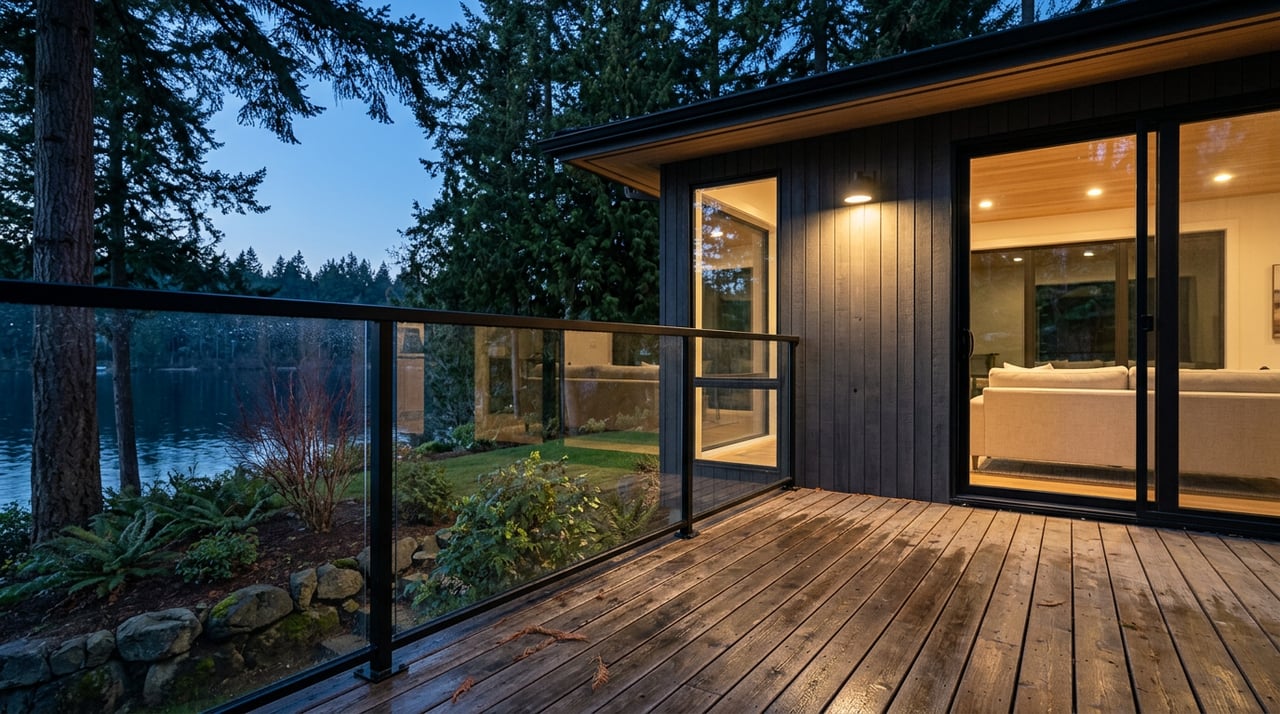
Coffee on your own dock while the morning mist lifts off Lake Stevens sounds perfect. If you are thinking about a lakefront home here, the lifestyle is as good as it looks. It also comes with special rules, seasonal quirks, and a few extra steps during due diligence. In this guide, you will learn what to expect with permits, lake health, utilities, and the market so you can buy with confidence. Let’s dive in.
Why Lake Stevens draws buyers
Lake Stevens is the largest natural lake in Snohomish County at about 1,013 acres, with depths reported near 150 feet. It sits roughly 6 miles east of Everett, offering a true lake lifestyle within the Seattle–Bellevue–Everett metro area. These size and depth features support boating, paddling, and four-season views that feel like a getaway close to home. County lake information provides a good snapshot of the lake’s physical profile.
Public access is strong. Popular spots like North Cove Park, Lundeen Park, and Davies Beach give you beaches, restrooms, and seasonal services. If you love boating or paddleboarding, you will find room to launch and explore around coves and open water.
The City partners with the County to manage lake health and lake levels. A seasonal outflow structure, called a weir, helps raise summer levels for recreation. If you own a dock, it helps to know how levels change through the year. You can read more on the City’s Lake Management page.
Lakefront vs. lake-view: know your rights
A lake-view does not equal lakefront. “Lakefront” typically means you own shoreline or have deeded access. A lake-view property may have sightlines only, without moorage or direct access. Always verify deeded water rights, any shared-dock agreements, and recorded easements in title. The City’s Shoreline Master Program (SMP) User Guide explains how shoreline jurisdiction and structures are regulated. You can review it here.
Rules and permits along the shore
Shoreline Master Program basics
Most shoreline rules in Lake Stevens are governed by the City’s SMP. The SMP generally applies within 200 feet of the ordinary high-water mark (OHWM). Typical residential setbacks include:
- Minimum building setback from OHWM: 50 feet
- Minimum deck setback: 50 feet
- Covered or enclosed structures often require about 60 feet
These are common standards from the City’s SMP User Guide and can vary based on site specifics. Always confirm your parcel’s status and any applicable shoreline designation with the City. Start with the City’s SMP User Guide for details.
Docks, bulkheads, and repairs
New or replacement docks, pilings, lifts, or bulkheads often require City review and state approvals. Minor repair or maintenance may qualify for a shoreline exemption, but the City must confirm exemptions in writing. Expect to document past work, including permits and as-builts, for appraisers and lenders later. The SMP guide outlines what is allowed, what needs mitigation, and how to submit.
Timelines and multi-agency approvals
Common permit types include Shoreline Exemptions, Shoreline Substantial Development Permits, Conditional Use Permits, and Variances. The City targets about 120 days to process a complete shoreline application. Many projects also need state or federal reviews, like a WDFW Hydraulic Project Approval (HPA) or a JARPA submission. Keep all permit records together so you can show clear compliance if you later sell.
Lake health and seasonal realities
Water quality and alum program
Water quality has improved over the last decade thanks to scheduled alum treatments that bind phosphorus and reduce summer algal activity. You may still see seasonal variability, especially after winter storms. County and City monitoring note better summer clarity, but shoreline vegetation and runoff remain important to overall health. See the County’s restoration summary for context on past programs and results: Lake Stevens Restoration.
Algae advisories and safety
Harmful algal blooms (cyanobacteria) can occur, especially in shallow coves after rainfall followed by sunny, calm weather. The City posts advisories with a simple rule of thumb: when in doubt, stay out, and keep pets away from scummy or discolored water. Check current notices on the City’s algae advisories page before you swim.
Milfoil and how it affects use
Eurasian (spiked) watermilfoil is present in Lake Stevens. It can affect swimming, docking, and propellers in some areas. Control tools include diver-assisted suction harvesting, targeted herbicide by licensed applicators, and hand-pulling. Mechanical cutting is discouraged because it fragments plants and spreads the problem. Learn what to expect and how projects are managed from the County’s invasive milfoil guidance.
Boating, parks, and lake levels
The lake supports motorized and non-motorized boating with multiple public launch options and beaches. Summer is popular, especially during community events like Aquafest. Expect more boat traffic and parking demand in peak months. Statewide boating safety, registration, and education rules apply. Locally, watch for posted no-wake areas and any temporary closures.
Lake levels are managed seasonally using the outflow weir to improve summer recreation. If you plan to keep a boat at your dock, ask about typical seasonal depth at your shoreline and how levels affect moorage.
Utilities, flood zones, and insurance
Many lakefront and near-lake homes connect to municipal sewer, but older or larger-lot properties may have private septic. Confirm the specific property’s status and any planned public works or assessments. The City’s Sewer Information page is a helpful starting point.
Check FEMA flood maps for the parcel and talk with your lender and insurance broker early if the property sits in a Special Flood Hazard Area. Flood insurance may be required by your mortgage. Snohomish County provides hazard and flood resources, available via the County’s public alerts and resources hub.
Market snapshot and waterfront premiums
Citywide pricing moves with the broader Puget Sound market and changes month to month. As of January 2026, Redfin reported a Lake Stevens median sale price in the mid 500s to 600s, depending on the month and source. Always verify current MLS or NWMLS figures before you write an offer. See the latest trendline on Redfin’s market overview.
Waterfront and near-lake homes often behave differently from general inventory. They can command a premium for direct access, views, and moorage, while also carrying added responsibilities, such as shoreline permits, dock and bulkhead maintenance, possible flood insurance, and invasive-plant management. Appraisers and lenders look closely at documented moorage rights, recorded easements, and permit history, so keep paperwork organized.
Your lakefront due-diligence checklist
Use this list to streamline your offer and inspection period:
- Confirm parcel and title details. Check recorded easements, shared-dock agreements, plats, and any special assessments. Ask your title team to flag shoreline boundaries relative to the OHWM.
- Pull the shoreline-permit file. Request copies of shoreline exemptions or permits, HPA or JARPA approvals, and as-builts from the seller or the City. The City’s SMP User Guide outlines common submittals and timelines.
- Inspect docks and bulkheads. Hire a qualified marine or structural inspector for docks and pilings. Consider a geotechnical or shoreline assessment for erosion and bulkhead conditions.
- Review lake health near the property. Ask for any owner records and check recent City or County updates on algal activity or water clarity. The County’s restoration page summarizes program history and results.
- Ask about invasive-plant exposure. Find out if milfoil has been treated near the property, what methods were used, and if there are ongoing maintenance plans or assessments. See the County’s milfoil guidance for options.
- Verify sewer vs. septic. Obtain recent septic inspection records or confirm sewer connection details and rates. Start with the City’s Sewer Information page.
- Check flood insurance early. If the parcel is mapped in a FEMA Special Flood Hazard Area, get quotes and underwriting feedback during feasibility. County flood resources are accessible through the public alerts and resources hub.
- Confirm HOA or shared-dock rules. If applicable, review CC&Rs for boat size limits, storage rules, and owner maintenance responsibilities.
A well-prepared plan makes lakefront buying predictable and low stress. If you want a calm, white-glove process with local expertise and clear communication, connect with Hawkins & O'Bryant. We will help you evaluate shoreline rules, confirm the right inspections, and negotiate with confidence.
FAQs
What is the difference between lakefront and lake-view in Lake Stevens?
- Lakefront usually means direct shoreline ownership or deeded access. A lake-view property may offer views only, without moorage or access rights. Always verify easements and dock agreements in title and consult the City’s SMP for shoreline rules.
What setbacks apply to homes and decks near the water in Lake Stevens?
- The City’s SMP commonly uses a 50-foot setback from the OHWM for buildings and decks, with about 60 feet for covered or enclosed structures. Confirm site specifics with the City’s shoreline administrator.
Can I build or replace a dock or bulkhead on Lake Stevens?
- Possibly, but most new or replacement shoreline structures require City review and often state approvals. Some minor repairs may qualify for an exemption. Always obtain and keep permit records for future lending and appraisal.
Are algae blooms common in Lake Stevens and are they dangerous?
- Water quality has improved with alum treatments, but localized blooms, including cyanobacteria, can occur. Follow City advisories and avoid contact with scummy or discolored water. Keep pets away during advisories.
How does milfoil affect swimming and boating on Lake Stevens?
- Milfoil can tangle props and make some nearshore areas weedy, especially in summer. Control programs like DASH, licensed herbicide treatments, and hand-pulling help keep navigation corridors open.
Do I need flood insurance for a lakefront home in Lake Stevens?
- It depends on FEMA mapping. If the property is in a Special Flood Hazard Area, lenders may require flood insurance. Check parcel maps early and get quotes during feasibility.
Is my lakefront home connected to sewer, or will I have a septic system?
- Many shoreline homes use municipal sewer, but some areas still have private septic. Confirm the property’s status, inspection history, and any planned assessments with the City and your inspector.