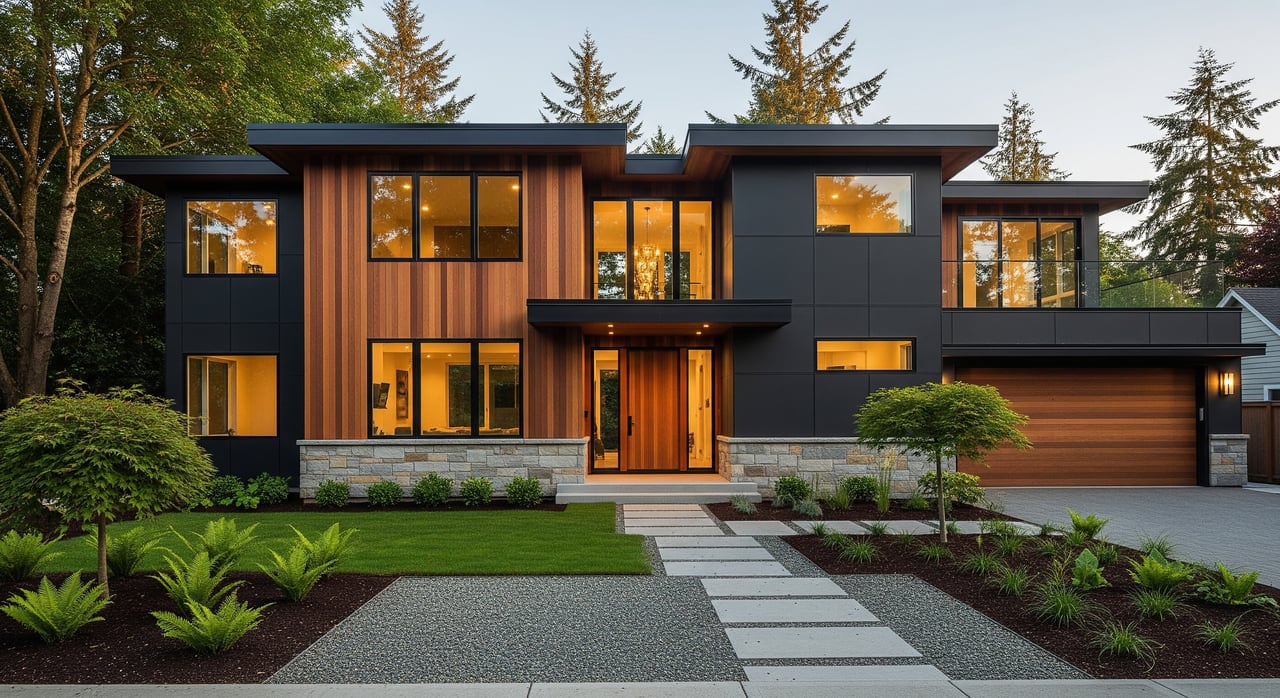
Are you deciding between a brand‑new home and a resale in Bothell? You are not alone. With strong regional job centers and steady demand across the Seattle–Bellevue–Everett area, both options can make sense depending on your timing, budget, and tolerance for projects. In this guide, you will see the practical pros, cons, and local considerations that matter in Bothell so you can move forward with clarity. Let’s dive in.
Bothell snapshot: what shapes your choice
Bothell spans both King and Snohomish counties, which can affect permits, impact fees, and tax assessments. The location within city or county lines matters for approvals and costs. The city has added new housing through downtown redevelopment, infill, and townhome or condo projects near transit corridors.
New homes must meet current Washington State Building Code and energy standards. That means better insulation, ventilation, and mechanical systems when compared with many older homes. Resale homes offer established neighborhoods, mature landscaping, and locations where new construction is not common.
New construction: what you get
Key advantages
- Modern code and energy performance that can lower near‑term operating costs.
- Builder warranties that typically cover workmanship for a year, major systems for multiple years, and structural components for longer periods.
- Finish selections and layout choices when you buy during presale phases.
- Low initial maintenance because roofs, systems, and appliances are new.
- Clear documentation, including plans and labeled utilities, which simplifies future work.
- Planned communities with new infrastructure and, at times, parks or trails.
Tradeoffs to plan for
- A price premium per square foot compared with many resale homes.
- Smaller lots or denser product types due to infill zoning patterns.
- Timeline uncertainty since construction, permitting, or weather can delay delivery.
- Builder contracts that often limit contingencies and concessions.
- Quality variability across builders; warranty service responsiveness is critical.
- Homeowners’ associations with rules, dues, and design standards.
Bothell specifics for new builds
- Utility and impact fees vary by jurisdiction because Bothell straddles two counties.
- New subdivisions often add sidewalks, stormwater systems, and street work; confirm who maintains what.
- Housing growth can influence school capacity and boundary updates; review planning materials before you buy.
Resale homes: what you get
Key advantages
- Larger lots and mature landscaping in established neighborhoods.
- Value opportunities on price per square foot and the ability to improve over time.
- Faster move‑in with typical closings around 30 to 45 days.
- Unique architecture and locations where new construction is limited.
- A more predictable context with built infrastructure and known surroundings.
Tradeoffs to plan for
- Potential for near‑term repairs or system updates such as roofing, plumbing, or electrical.
- Less efficient insulation, windows, or HVAC in older homes, which can raise operating costs.
- Hidden defects like drainage issues or water intrusion that require thorough inspections.
- Renovation time and permitting that can extend timelines and budgets.
- Appraisal complexity when features are unique or outside local norms.
Bothell specifics for resale
- Older homes may predate current codes and could need seismic, electrical, or plumbing upgrades.
- Local topography and waterways can affect drainage, shoreline rules, or critical areas when you add structures.
- Established areas near downtown or transit corridors often command premiums.
Side‑by‑side comparison
- Price: New is often higher per square foot; resale can be lower but may need upgrades.
- Timing: Resale is quicker; new requires a longer lead time and can face delays.
- Customization: New offers finish choices; resale allows remodels later with added time and cost.
- Maintenance: New has fewer near‑term repairs; resale may need immediate work.
- Warranties: New typically includes builder coverage; resale rarely includes warranties unless the seller provides one.
- Neighborhood maturity: New areas are still evolving; resale offers established communities.
- Financing complexity: New can involve presale deposits or specialized loans; resale follows a conventional path for most buyers.
- Appraisal and resale: New relies on limited recent comps in micro‑markets; resale uses local comps and property condition.
Costs, financing, and timing
Builders often provide incentives such as rate buydowns, closing cost credits, or paid upgrades. Evaluate these against the total price and your long‑term costs. Presale purchases may require deposits with staged payments. Some lenders offer construction‑to‑permanent loans or special programs for new builds.
Resale purchases follow a familiar mortgage process and typically close in 30 to 45 days. Appraisals on both new and resale should reflect nearby comparable sales, but limited new‑build comps can affect new construction valuations.
Inspections, warranties, and quality
For new homes, consider third‑party inspections at key milestones, such as pre‑drywall and final walkthrough. Confirm your right to access the property and set inspections in the contract. Review warranty coverage details, the process for requesting service, and the builder’s track record.
For resale homes, schedule a general inspection and add specialty inspections as needed. Roof, structural, sewer scope, HVAC, and electrical checks can uncover issues early. Use contingencies to preserve your options if significant problems surface.
HOAs, covenants, and rules
Many new communities include homeowners’ associations that manage common areas and set design standards. Review CC&Rs, dues, reserve studies, and policies on special assessments before you commit. In older neighborhoods, you may see fewer formal restrictions, but always confirm any recorded covenants and local rules that could affect renovations.
Buyer checklist
- Confirm financing for your path: presale deposits, construction‑to‑perm, or a standard mortgage.
- Vet the builder: reviews, warranty coverage, service process, and completed projects.
- Lock in inspection rights and timing in the contract.
- Understand delivery timelines and any penalty or liquidated damages clauses.
- Review HOA rules, dues, reserve study, and upcoming projects.
- Compare estimated energy costs for new homes with past utility bills for resale homes.
- Pull local comparable sales to validate pricing.
- Estimate long‑term costs: taxes, insurance, maintenance, and replacement schedules.
Seller checklist
- Study demand for nearby resale inventory versus incoming new construction.
- Focus pre‑listing improvements on items with clear ROI and buyer appeal.
- Map your sale strategy to your purchase plan, including bridge options or rentbacks.
- Complete required disclosures and consider a pre‑listing inspection to reduce surprises.
Which option fits your goals
Choose new construction if you want low maintenance, modern energy performance, and the ability to personalize finishes, and you can accommodate a longer timeline. Choose resale if you want a larger lot, a faster move, and a mature neighborhood, and you have room in your budget for upgrades.
If you are weighing tradeoffs in Bothell’s two‑county landscape and evolving neighborhoods, a calm, methodical plan can save you time and money. For a tailored path that fits your timing, budget, and risk tolerance, talk to the team at Hawkins & O’Bryant.
FAQs
How do property taxes differ for new vs. resale in Bothell?
- Assessments and tax rates depend on jurisdiction and market value; new and resale are both subject to local county rules, so confirm the parcel’s county and current assessed value.
What builder warranties are typical in Washington new construction?
- Many builders offer a one‑year workmanship warranty, multi‑year systems coverage, and longer structural coverage, with specific terms outlined in the contract and warranty documents.
Can you include contingencies in a builder contract?
- Some builders limit inspection, financing, or appraisal contingencies, so review the contract closely and negotiate rights to independent inspections and realistic financing timelines.
What delays are common with new construction closings?
- Permitting timelines, supply chain constraints, subcontractor scheduling, and weather can shift delivery dates, so plan for flexibility in your move‑in schedule.
How do HOA dues and rules usually work in new developments?
- New communities often have CC&Rs, dues, and reserve funding for future maintenance; review the budget, reserve study, and any planned assessments before you commit.
Do current building codes affect long‑term operating costs?
- Yes. Modern codes and energy standards can lead to better insulation, ventilation, and mechanical efficiency, which may reduce near‑term energy and maintenance costs compared with older homes.