If your idea of coastal living includes being able to grab coffee, stroll to the waterfront, and enjoy downtown events without relying on your car for every errand, Edmonds deserves a closer look. This small Puget Sound city offers a compact feel that can be hard to find in the Seattle region, especially if you want both shoreline access and a true neighborhood rhythm. In this guide, you’ll see which parts of Edmonds feel most walkable, what daily life can look like, and what kinds of homes you may find along the way. Let’s dive in.
Why Edmonds Stands Out
Edmonds sits on Puget Sound about 15 miles north of Seattle, and it has a layout that supports a more connected daily routine. City materials describe the original townsite as the area now occupied primarily by downtown and nearby residential streets, which helps explain why so much of the community feels compact.
Transportation also adds to that flexibility. Edmonds residents can get around by walking, biking, bus, train, ferry, boat, or kayak, and Edmonds Station is served by Sounder, Amtrak Cascades, and local bus connections. For buyers who value options, that mix is a meaningful part of the lifestyle.
Downtown Edmonds Walkability
Downtown Edmonds is the strongest match if you picture daily life on foot. The city describes the downtown Creative District as the heart of downtown Edmonds, with arts, culture, creative businesses, public gathering spaces, parks, and historic structures all woven together.
The walkable downtown area fans out from the central fountain and includes galleries, cafes, boutiques, restaurants, and beachfront dining with views. In practical terms, that means your weekend plans, casual meals, and quick outings can feel close at hand rather than spread across a wide suburban grid.
What the Streetscape Feels Like
This part of Edmonds is built for strolling. The public art program includes more than 65 outdoor installations downtown and elsewhere in the city, and features like the Stages of History plaques along Main Street and the 4th Avenue North Cultural Corridor add interest to a simple walk.
Instead of feeling like a place you only visit for errands, downtown often feels like a place where people linger. That distinction matters if you are searching for a neighborhood that supports everyday routines, not just scenic views.
Everyday Spots That Support the Lifestyle
Walkable neighborhoods work best when they offer more than a nice sidewalk. Downtown Edmonds includes local gathering places such as Waterfront Coffee Company on Main Street, Walnut Street Coffee on Walnut Street, and Gallery North on Main Street.
These kinds of businesses help create what many buyers are looking for in a coastal neighborhood: a setting that feels active and usable throughout the week. You are not just close to the water. You are also close to the kinds of places that can become part of your routine.
Edmonds Bowl and Historic Streets
If you want walkability with a more residential feel, the Edmonds Bowl and nearby historic streets are worth attention. The local historic survey refers to the city’s downtown and bowl neighborhoods and describes the study area as roughly between the waterfront and 9th Avenue East, and from Pine and Elm Streets south to Caspers Street north.
That geography matters because it places many homes within easy reach of downtown and the shoreline while still offering established residential blocks. For buyers who want a neighborhood setting without giving up access to shops, parks, and events, this area often stands out.
Housing Character in the Bowl
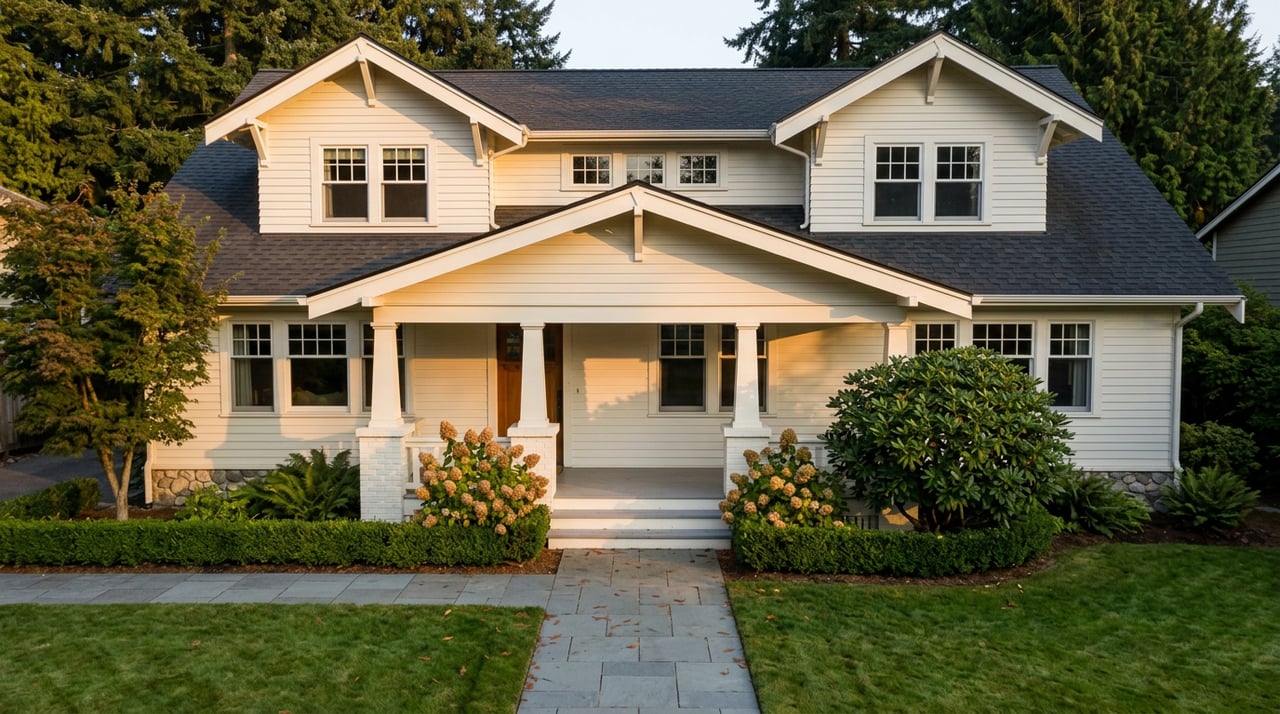
The older walkable parts of Edmonds are shaped by early 20th-century housing rather than one uniform style. The historic survey notes examples of Queen Anne, Shingle, Colonial Revival, Neoclassical, Tudor Revival, and Craftsman or Bungalow homes, with Craftsman and Bungalow styles especially well represented.
The 2015 survey also found that many residential properties in the study area were built in the 1920s in vernacular styles. As you walk these streets, that layered history can create a neighborhood feel that is distinct from newer planned communities.
A More Layered Neighborhood Pattern
The survey identified early neighborhood patterns that still read clearly in places such as University Colony and Maple Manor. For a buyer, that often translates to a stronger sense of place, with streets that reflect how Edmonds developed over time.
This does not mean every block looks the same. In fact, part of the appeal is the variety, with cottages, bungalow-era homes, and other older residences contributing to a more textured coastal setting.
Waterfront Living and Shoreline Access
For many buyers, coastal living starts with access to the shoreline itself. Edmonds offers four beach parks along its waterfront: Brackett’s Landing North, Brackett’s Landing South, Marina Beach Park, and Olympic Beach.
The city also notes that all of its beaches are beach sanctuaries. That gives the waterfront a preserved, nature-oriented feel that supports walking, relaxing, and spending time outdoors close to home.
The Edmonds Marsh Adds Another Option
Beyond the beach parks, the Edmonds Marsh adds a different kind of shoreline experience. The city describes it as one of the few urban, tidally influenced saltwater estuaries in Puget Sound, and it includes an interpretive walkway with more than 300 feet of boardwalk and 1,700 feet of asphalt path.
For buyers comparing walkable areas, that matters because not all coastal access looks the same. In Edmonds, you can enjoy both open waterfront parks and a quieter marsh setting that supports a slower, more scenic walk.
Community Events Shape Daily Life
A walkable neighborhood is not only about physical distance. It is also about how often there is a reason to be out and about. Edmonds has a recurring calendar of events that reinforces that pedestrian-friendly rhythm.
Art Walk Edmonds takes place every third Thursday in downtown businesses. During summer, the city hosts free concerts in City Park and Hazel Miller Plaza in July and August, and Movies in the Park runs on Friday evenings across the city.
The Edmonds Arts Festival remains a signature annual event at the Frances Anderson Center on Main Street. The Edmonds Downtown Alliance also lists a seasonal Summer Market and other downtown programming, all of which help support the sense that downtown Edmonds is an active place to spend time on foot.
What Buyers May See Over Time
Today’s walkable core in Edmonds reflects a mix of older homes, mixed-use downtown blocks, and waterfront-adjacent streets. That layered pattern is part of the appeal, especially if you are looking for a neighborhood that feels established rather than newly built all at once.
At the same time, the housing mix may continue to evolve. As of July 2, 2025, Edmonds’ middle-housing ordinance allows duplexes, triplexes, fourplexes, cottage homes, and courtyard apartments in areas that had previously been single-family-only.
Why That Change Matters
For buyers and homeowners, this update is worth understanding because it may gradually create a more varied residential mix in parts of the city over time. Older detached-home streets may remain recognizable, but some areas could see additional housing types introduced as properties change hands or redevelop.
That does not erase Edmonds’ character. Instead, it suggests that the walkable core may become even more layered, with a broader range of home styles and living arrangements near downtown and the waterfront.
Best Walkable Areas to Explore
If you are narrowing your search, these are the main pockets to focus on:
- Downtown Edmonds / Creative District for the most complete walkable lifestyle, with shops, cafes, restaurants, art, and public gathering spaces nearby
- Edmonds Bowl and adjacent historic streets for residential character with close access to downtown and the waterfront
- Waterfront-edge streets near beach parks and the marsh for quick connections to shoreline walks, open views, and outdoor recreation
Each area offers a slightly different version of coastal living. Your best fit depends on whether you want the energy of downtown, the charm of historic residential blocks, or easy access to the beach and marsh paths.
How to Evaluate Walkability in Edmonds
When you tour Edmonds, it helps to go beyond map labels. Walk the route from a home to downtown, the waterfront, or a favorite coffee shop to see how the neighborhood actually feels in real time.
Pay attention to:
- How easily you can reach Main Street on foot
- Whether the route to parks or the waterfront feels direct
- How close you are to Edmonds Station and ferry-oriented shoreline activity
- Whether you prefer event energy or quieter residential blocks
- The mix of older homes, updated properties, and evolving housing types nearby
A neighborhood can look appealing online and feel very different in person. In Edmonds, the small shifts between downtown blocks, historic streets, and waterfront edges can make a big difference in your day-to-day experience.
If you are considering a move to Edmonds or comparing coastal neighborhoods in Snohomish County, having local guidance can help you focus on the pockets that best match your goals. For tailored advice on finding the right fit, connect with Hawkins & O'Bryant.
FAQs
What makes downtown Edmonds walkable?
- Downtown Edmonds has a compact layout centered around the Creative District, with galleries, cafes, boutiques, restaurants, public spaces, and waterfront access all close together.
Where is the Edmonds Bowl?
- The local historic survey describes the bowl and downtown study area as roughly between the waterfront and 9th Avenue East, and from Pine and Elm Streets south to Caspers Street north.
Are there beach parks in Edmonds?
- Yes. Edmonds has four waterfront beach parks: Brackett’s Landing North, Brackett’s Landing South, Marina Beach Park, and Olympic Beach.
What is the Edmonds Marsh walkway like?
- The Edmonds Marsh includes an interpretive walkway with more than 300 feet of boardwalk and 1,700 feet of asphalt path in a tidally influenced saltwater estuary setting.
What kinds of homes are common in older walkable Edmonds areas?
- Buyers may see a mix of early 20th-century homes, including Queen Anne, Shingle, Colonial Revival, Neoclassical, Tudor Revival, and especially Craftsman or Bungalow styles, along with many 1920s vernacular homes.
How could Edmonds housing change over time?
- As of July 2, 2025, Edmonds allows several middle-housing types, including duplexes, triplexes, fourplexes, cottage homes, and courtyard apartments in areas that were previously single-family-only.