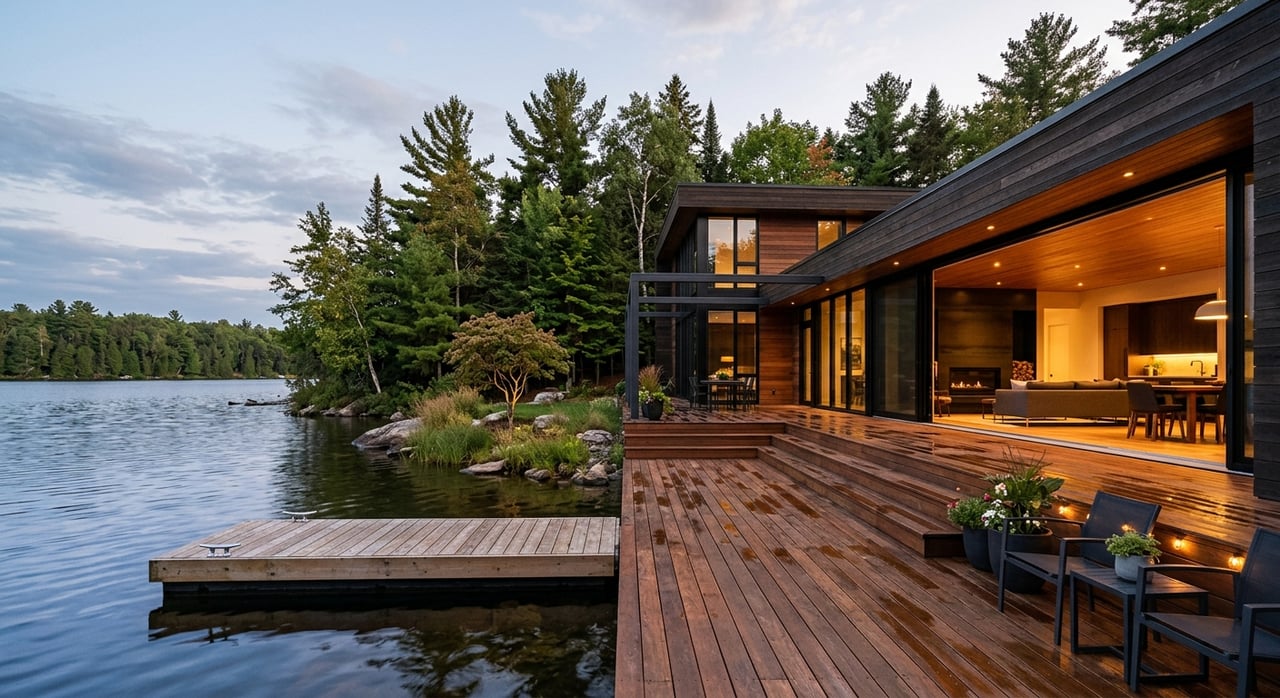
If you picture waterfront living as something reserved for weekends or special occasions, Kirkland may surprise you. Along Lake Washington, the shoreline works more like part of your daily routine, with parks, beaches, walking paths, docks, and gathering spots woven into everyday life. If you are trying to understand what living near the water in Kirkland actually feels like, this guide will help you see how the city’s waterfront functions block by block and season by season. Let’s dive in.
What Waterfront Living Means in Kirkland
In Kirkland, waterfront living is not just about having a view. It is about living near a shoreline system that supports walking, boating, swimming, dining, and community events in a very practical way.
The city’s waterfront includes public access points, beaches, docks, launches, and parks that make the lake feel usable, not just scenic. That everyday access is one reason the waterfront shapes how many people experience Kirkland on a regular basis.
A helpful way to think about it is by micro-area. Downtown and Moss Bay feel the most active and walkable, Carillon Point and Lakeview feel more polished and mixed-use, and Juanita feels calmer and more nature-forward.
Downtown Kirkland Feels Most Active
Downtown Kirkland and Moss Bay offer the most urban version of waterfront living in the city. According to the city’s neighborhood planning documents, this area mixes housing, jobs, parks, and shoreline access, which creates a layered, lively environment.
Housing here is also more varied than many buyers expect from a waterfront setting. Planning documents reference co-housing, residential suites, apartments, and condominiums, which helps explain why this part of the shoreline feels more compact and connected.
Marina Park Anchors Daily Activity
Marina Park is at the center of the downtown waterfront experience. The city describes it as a downtown shoreline park with a sandy beach, boat launch, public art, open-air pavilion, summer concerts, and broad views of Lake Washington and Seattle.
For many residents and visitors, this is where waterfront life becomes visible in real time. On any given day, you may see walkers, boaters, beachgoers, and people stopping for a view before heading to nearby shops or restaurants.
Expect Energy and Structure
Downtown waterfront living comes with convenience, but also more activity. The city manages parking here with a real-time availability map and a mix of free, timed, and paid lots, including Lakeshore Plaza and the Peter Kirk Municipal Garage.
That practical detail says a lot about the area’s rhythm. It is lively and easy to enjoy, but weekends and event days tend to feel more structured than quieter shoreline pockets.
Carillon Point and Lakeview Feel Polished
If downtown feels energetic, the Lakeview and Carillon Point area often feels more spacious and view-oriented. The city describes Lakeview as having a waterfront-town character, with views of Lake Washington and the Olympic Mountains and a mix of residential areas, offices, and neighborhood businesses.
That blend gives this part of the shoreline a different pace. It still feels connected to the water, but it is less centered on downtown foot traffic and major event energy.
Carillon Point Has a Resort-Like Feel
Carillon Point stands out as Kirkland’s most polished waterfront subarea. The city identifies it as a mixed-use commercial center with office, retail, hotel, restaurant, marina, and residential uses.
In everyday terms, this is the waterfront area that feels the most curated. Shoreline trails, landscaped grounds, art, restaurants, marina services, and hospitality uses create a setting that reads more like a destination district than a traditional residential shoreline.
Central Houghton Offers a Quieter Nearby Option
Just inland, Central Houghton offers a more residential feel while staying close to the same shoreline atmosphere. The city’s plan highlights a pedestrian-oriented mixed-use center, nearby parks, tree canopy, and views, with lower-density residential areas around the commercial core.
For buyers who want proximity to the waterfront without being in the middle of its busiest zones, that distinction matters. You can stay connected to the lake lifestyle while enjoying a quieter day-to-day setting.
Juanita Feels More Nature-Forward
Juanita offers a different kind of waterfront living. The city describes it as a neighborhood-scale area with active and natural parks, a regional shoreline park, a community center, and two neighborhood commercial centers.
Most of Juanita’s land area remains low-density residential, with higher-intensity housing concentrated near commercial nodes. That pattern helps create a calmer, more suburban feel than the downtown shoreline.
Juanita Bay Park Prioritizes Quiet Observation
Juanita Bay Park is one of the clearest examples of Kirkland’s nature-first waterfront character. The city describes it as a restoration area for wildlife and bird viewing, with interpretive walking and views across wetlands and Juanita Bay.
It is important to note that the wildlife habitat area cannot be entered by boat, flotation device, or swimming. That means this park is less about beach activity and more about quiet walks, observation, and a slower waterfront routine.
Juanita Beach Supports Summer Swim Days
Juanita also includes a more active shoreline experience at Juanita Beach. The city lists Juanita Beach as one of Kirkland’s guarded swimming beaches, along with Houghton Beach and Waverly Beach.
Lifeguards are on duty daily from July 1 to September 7, and free life-jacket loaners are available at lifeguard offices. For households that picture summer as beach days close to home, that is a meaningful part of the local lifestyle.
Water Access Shapes Daily Routines
One of the most appealing things about Kirkland’s waterfront is how ordinary water access can feel once you live nearby. Boating and shoreline activity are not limited to major marinas or special events.
Marina Park includes a public launch and dock, and the city says Marina Park Dock and 2nd Avenue South Dock together provide 82 uncovered moorage slips year-round. Houghton Beach allows hand-carried non-motorized boats, and Carillon Point Marina includes guest pier access, moorage, and sailing and powerboating classes through the Kirkland Sailing Club.
For some residents, that means getting on the water can become part of a normal week. Even if you are not a boat owner, living near launches, docks, and active marinas changes the texture of daily life.
Walking Routes Make the Waterfront Usable
The shoreline also works well for people who simply want to get outside. Explore Kirkland describes the Lake View Walk as a 1.2-mile route between downtown Kirkland and Carillon Point.
The city also identifies the Cross Kirkland Corridor as a 5.75-mile route through the heart of Kirkland and part of Eastrail. Together, these routes help explain why waterfront living here often feels pedestrian-friendly, even for households that still rely on a car for much of daily life.
Seasons Change the Waterfront Experience
Kirkland’s waterfront does not feel the same all year, and that is part of its appeal. In cooler months, the shoreline often reads as a place for walking, views, coffee stops, and quieter routines.
In warmer months, the energy shifts. Beaches become more active, docks see more use, and downtown’s waterfront takes on a stronger event rhythm.
Summer Brings Markets and Festivals
The Kirkland Wednesday Market runs at Marina Park from June through September 2026. The Kirkland Downtown Association describes it as drawing roughly 800 to 1,000 people and 40 to 60 small businesses on market days.
Marina Park also hosts a summer concert series, and Kirkland Uncorked is scheduled for July 17 to July 19, 2026. Explore Kirkland describes that event as a waterfront wine festival with more than 50 Washington wineries, food, and live music.
These events help show how the shoreline shifts from daily-use public space to a true seasonal gathering corridor. If you love energy and community activity, that can be a major plus. If you prefer more quiet, it helps to know which micro-areas stay calmer.
Dining Clusters in Key Waterfront Spots
Waterfront dining in Kirkland tends to cluster rather than spread evenly along the shoreline. Research points to downtown Lake Street, Marina Park, Juanita Beach, and Carillon Point as the main waterside dining zones.
Carillon Point in particular combines restaurants, coffee bars, retail, marina facilities, a hotel, and a spa. Downtown offers a more walkable, urban mix, while Juanita tends to feel more relaxed and neighborhood-scaled.
That matters when you are comparing locations. Some waterfront areas support a lively walk-to-dinner lifestyle, while others are better suited to a quieter residential routine with nearby outdoor access.
Housing Looks Different by Waterfront Area
Kirkland’s waterfront housing story is not one-size-fits-all. The shoreline and nearby slope neighborhoods include a mix of housing types, and the feel changes significantly by area.
In Moss Bay and downtown, city planning documents reference co-housing, residential suites, apartments, and condominiums. In Lakeview, policy language recognizes forms such as cottage homes, compact single-family homes, common-wall homes, accessory dwelling units, clustered dwellings, apartments, and condominiums in parts of the shoreline area.
Juanita remains more heavily low-density residential, with higher-intensity housing closer to commercial centers. Central Houghton also reflects a low-density residential context around a mixed-use core, with some multifamily housing near the commercial area.
For buyers, that means your version of waterfront living may be very different depending on where you focus. You may want a lock-and-leave condo near downtown activity, a view-oriented home near the shoreline, or a quieter residential setting with easy access to parks and beaches.
Choosing the Right Waterfront Rhythm
The best waterfront fit in Kirkland often comes down to rhythm rather than just location on a map. Downtown and Moss Bay tend to suit people who want walkability, events, public shoreline access, and a more urban pace.
Carillon Point and Lakeview often appeal to those who want a polished, mixed-use waterfront setting with views and amenities nearby. Juanita tends to fit buyers who value a more relaxed, neighborhood-scale environment shaped by natural parks and seasonal beach use.
If you are weighing a move in Kirkland, it helps to look beyond the word "waterfront" and ask a better question: what kind of daily routine do you want the shoreline to support? That is usually where the right answer becomes clear.
If you want thoughtful guidance on how Kirkland’s waterfront areas compare in real life, Hawkins & O'Bryant can help you find the right fit with calm, local insight.
FAQs
What is everyday waterfront living like in Kirkland?
- Everyday waterfront living in Kirkland often means regular access to parks, walking routes, beaches, docks, dining areas, and seasonal events along Lake Washington, with the experience varying by waterfront micro-area.
Which Kirkland waterfront area feels most walkable?
- Downtown Kirkland and Moss Bay generally feel the most walkable because they combine shoreline access, restaurants, shops, housing, and public gathering spaces in a compact area.
Which Kirkland waterfront area feels quietest?
- Juanita typically feels quieter and more neighborhood-scaled, with low-density residential areas, nature-focused parks, and a calmer shoreline atmosphere than downtown.
What parks support waterfront living in Kirkland?
- Marina Park supports beach access, boating, and events, while Juanita Bay Park supports walking and wildlife viewing, and Juanita Beach supports guarded swimming in summer.
Can you boat from Kirkland’s waterfront?
- Yes, Kirkland offers several boating access points, including Marina Park’s public launch and dock, year-round moorage slips, hand-carried non-motorized access at Houghton Beach, and marina services at Carillon Point.
Are there walking routes along the Kirkland waterfront?
- Yes, the Lake View Walk connects downtown Kirkland and Carillon Point for about 1.2 miles, and the Cross Kirkland Corridor provides a 5.75-mile route through the city.
How busy does downtown Kirkland’s waterfront get?
- Downtown Kirkland’s waterfront tends to be busier on weekends and during markets, concerts, and major events, and the city’s parking system reflects that higher activity level.
What types of homes are near the Kirkland waterfront?
- Depending on the area, waterfront-adjacent housing in Kirkland can include condominiums, apartments, mixed-use residential options, attached housing, compact single-family homes, and lower-density residential homes on nearby streets and slopes.