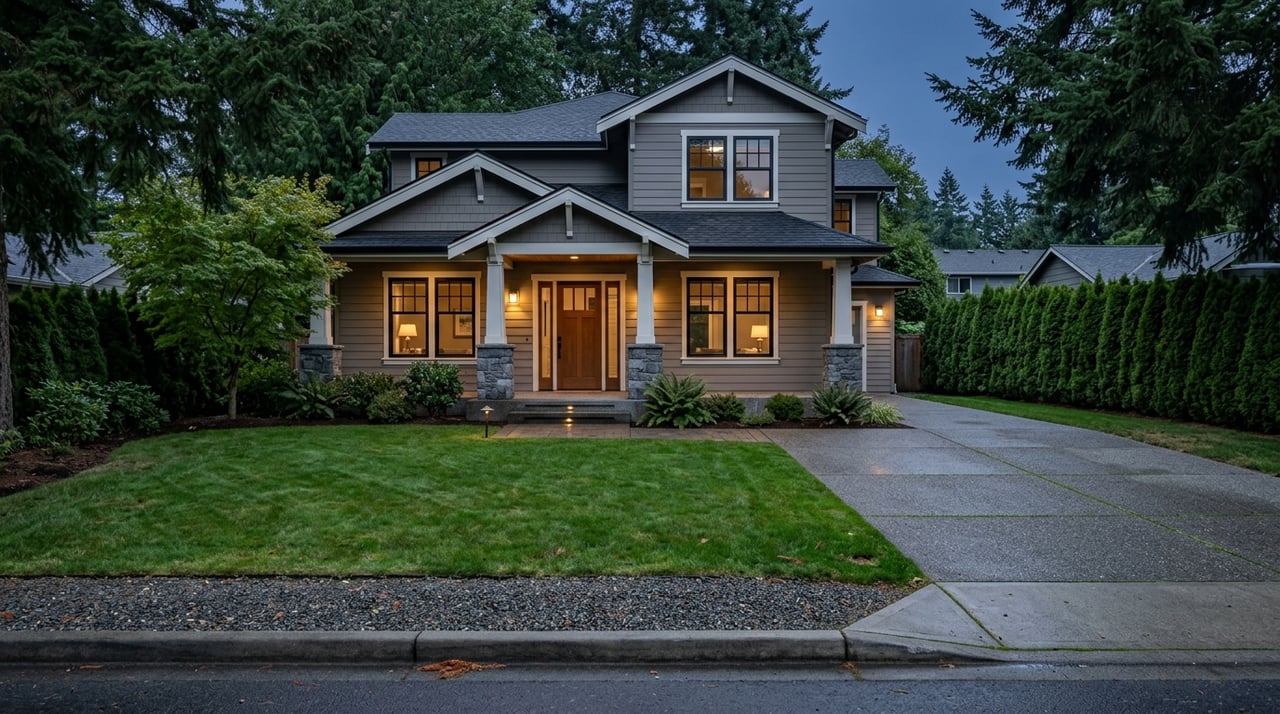
Looking for more room without giving up Eastside convenience? Bellevue’s estate-style neighborhoods deliver space, privacy, and an outdoor lifestyle while keeping you close to major employers, dining, and schools. If you are weighing a move up from a townhome or a smaller lot, this guide unpacks what “estate living” really means, where to find it, and the practical tradeoffs to consider. You will leave with a clear picture of the neighborhoods, costs, and next steps. Let’s dive in.
What “estate‑style” means in Bellevue
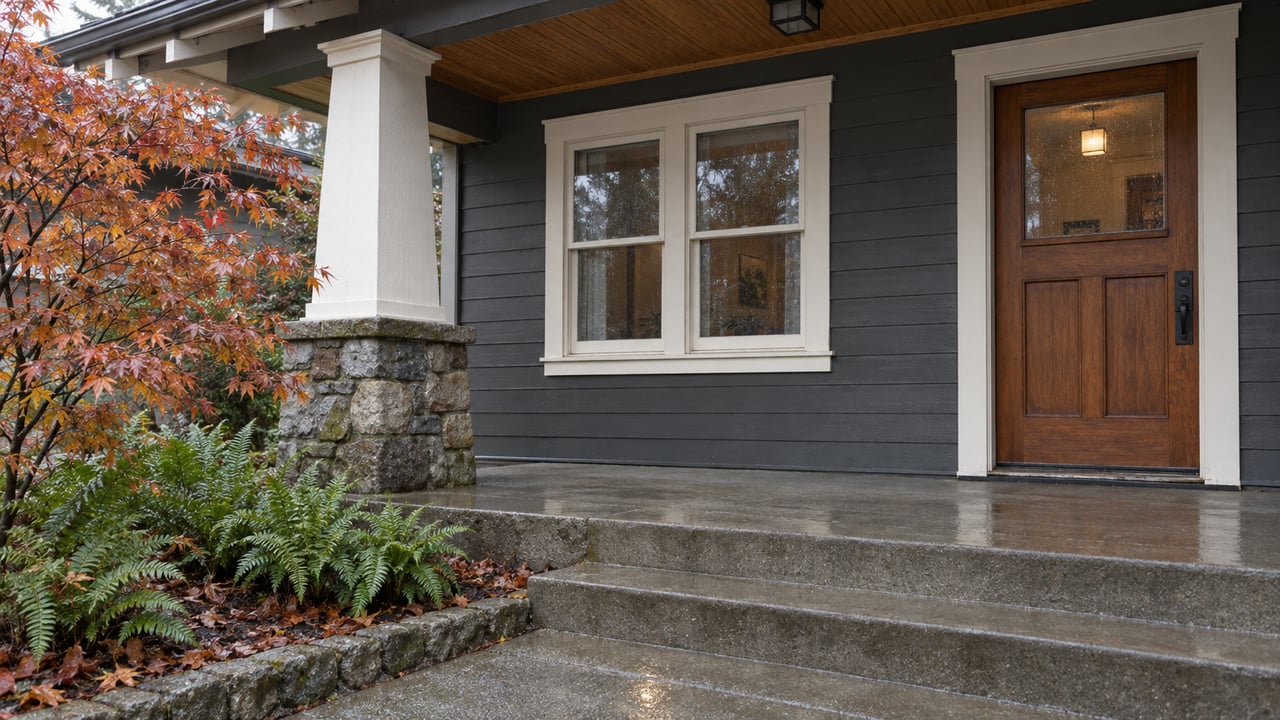
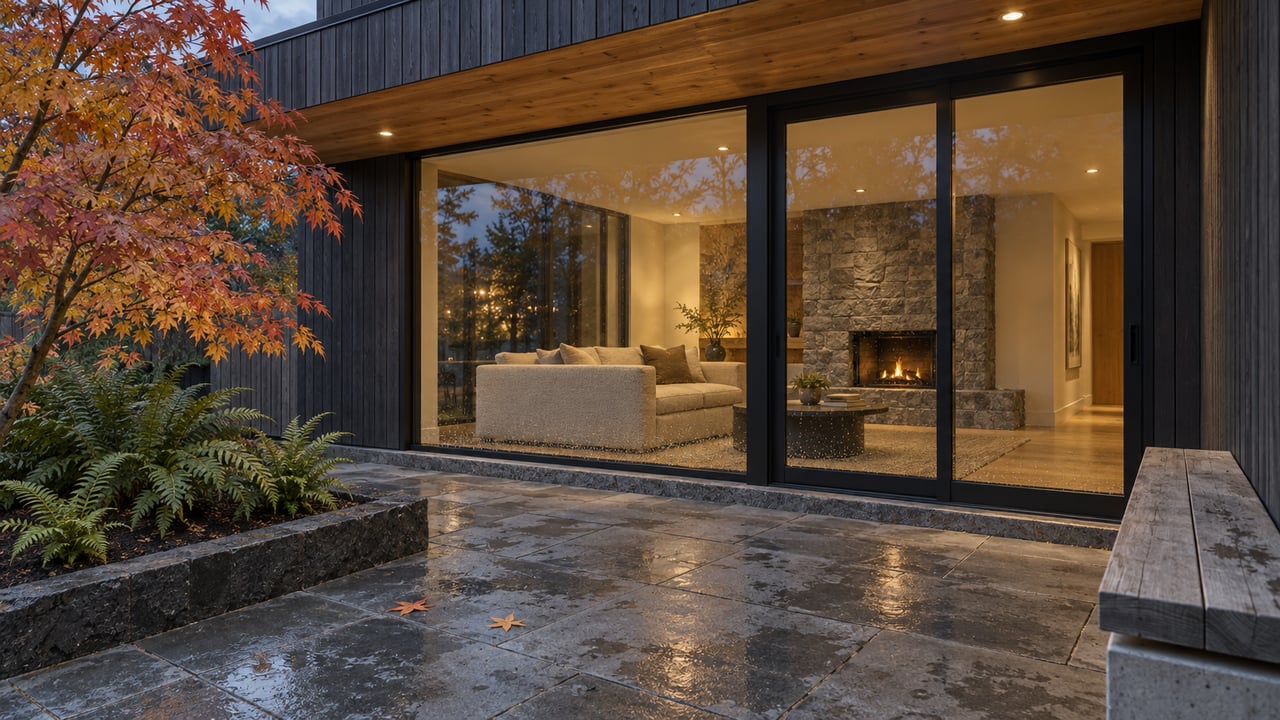
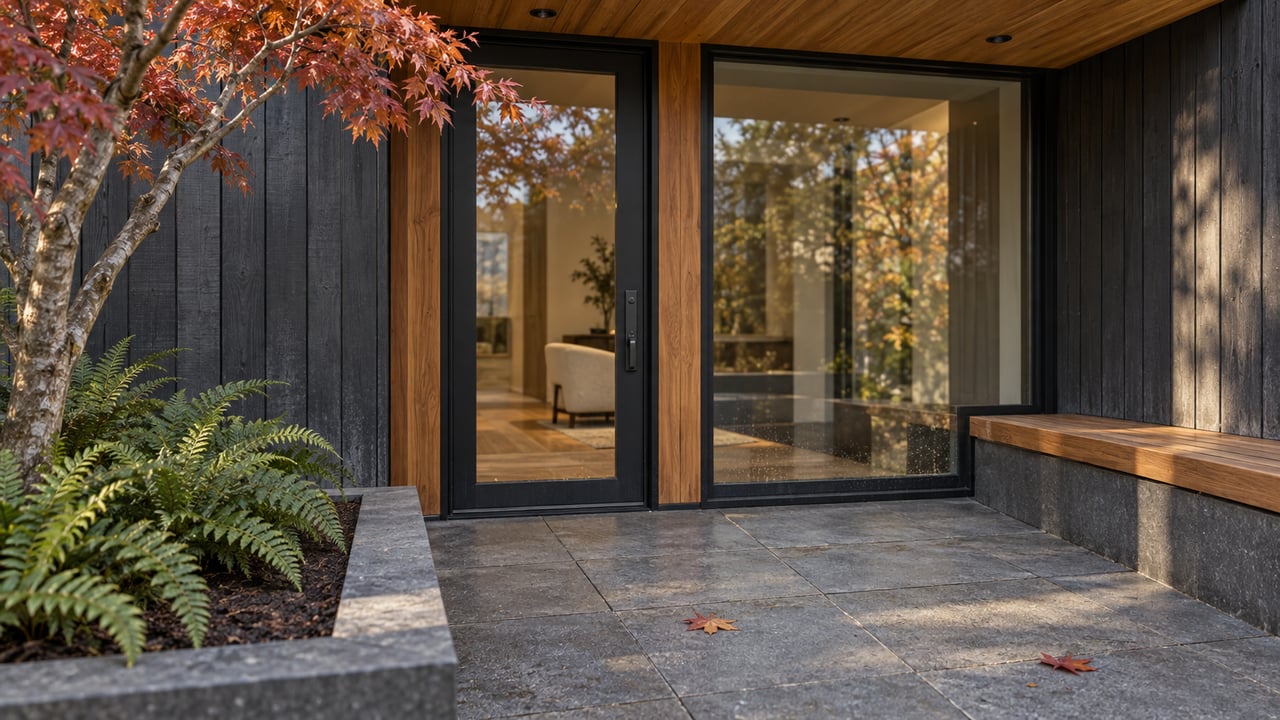
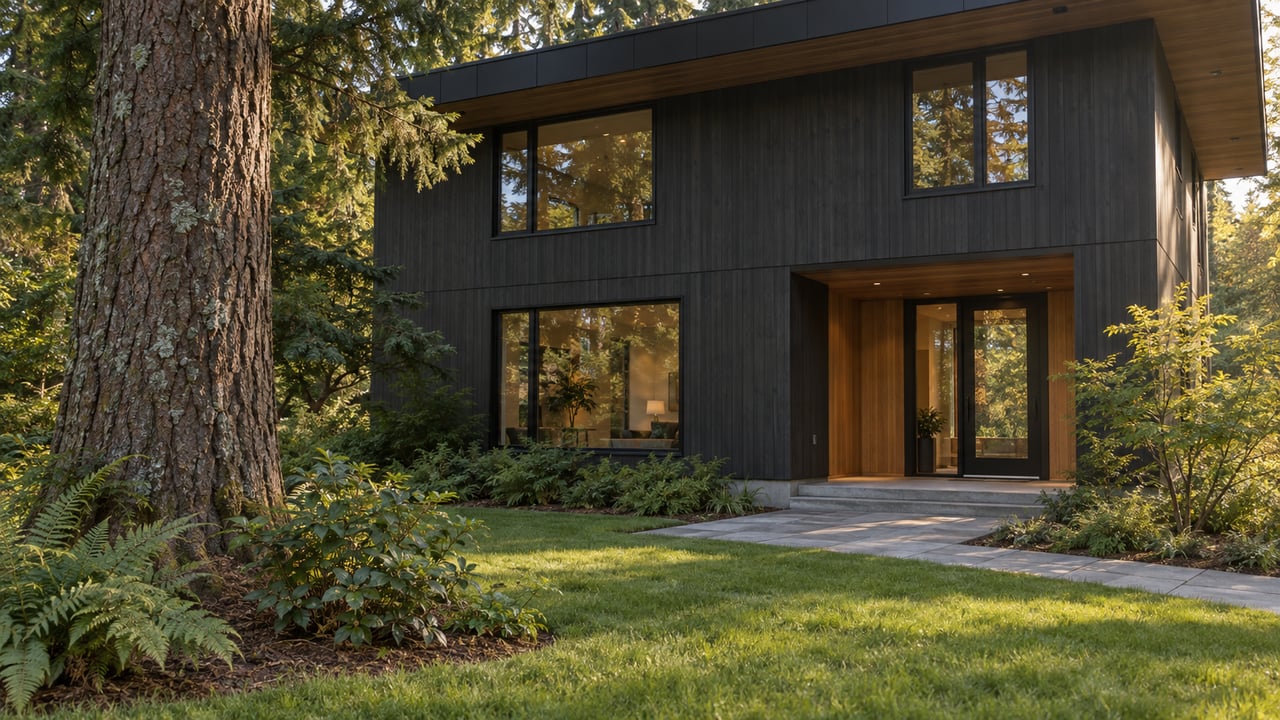
Estate neighborhoods in Bellevue feel different the moment you turn in. Streets are quieter. Homes sit back from the road with generous setbacks and mature landscaping. Most are single‑family properties with custom or remodeled homes, often on sloped or wooded lots that add to the sense of privacy.
Core features you can expect
- Larger lots and more separation between homes. In these areas, lots often start around 0.25 acre (about 10,000 square feet) and scale up from there. Neighborhood data sources commonly report Somerset’s median lot size near 10,000 square feet and Bridle Trails well above the city average.
- A mature tree canopy and lush landscaping. Bellevue actively manages tree protection and replacement, which helps preserve the green backdrop. If you plan major tree work, review the city’s recent updates to its tree code.
- Predominantly single‑family zoning. Estate pockets are largely low density with custom builds, daylight basements, and expanded footprints. Multifamily buildings are generally not found inside these enclaves.
- Proximity to open space. Many pockets border significant parks and trail systems that reinforce the outdoor lifestyle.
Typical lot size bands (illustrative)
- Smaller urban lot: about 5,000 to 7,500 sq ft
- Traditional large‑lot suburban: about 8,000 to 12,000 sq ft
- Estate pockets: roughly 0.25 to 1+ acres
These bands are for orientation only. Individual streets and micro‑pockets vary, so always verify specifics for a target property.
Where to find Bellevue’s estate pockets
Bellevue includes several established enclaves with bigger lots, thicker trees, and a quieter feel while still close to major hubs. The City’s neighborhood pages offer helpful context on each area’s character and location. You can browse official profiles on the City of Bellevue’s neighborhood overview.
Bridle Trails
If you want a “country-in-the-city” feel, Bridle Trails is the benchmark. Large, wooded parcels and an informal equestrian culture define the area. The centerpiece is the expansive Bridle Trails State Park, which offers miles of wooded trails for hiking and riding. Many properties here sit on substantially larger lots than the city average, with a mix of custom estates and larger ramblers that have been remodeled or rebuilt. The result is generous space, privacy, and direct trail access.
West Bellevue: Enatai and Meydenbauer
Just minutes from downtown, West Bellevue blends mature single‑family streets with lake access and select waterfront parcels. Enatai and Meydenbauer include pockets of larger lots that feel tucked away while staying close to Bellevue Square, neighborhood parks, and dining. Pricing reflects the scarcity and proximity to the lake, and many homes leverage established landscaping for natural privacy.
Somerset, Cougar Mountain, and Lakemont
On Bellevue’s south and southeast hills, Somerset and the Cougar Mountain area offer panoramic views and terraced, larger-feeling lots. Somerset is known for its cohesive hilltop setting and view corridors. Nearby Lakemont and Cougar Mountain add forested slopes and quick access to natural areas. Expect daylight designs that take advantage of topography, more elbow room than typical tract developments, and strong connections to outdoor recreation.
Other established pockets to watch
Northwest Bellevue, Meydenbauer Point, and select lake‑adjacent streets across the city include older, larger lots that often trade in tight circles. Since these are micro‑markets, pricing and lot characteristics vary block by block. The City’s neighborhood profiles are a solid starting point for boundaries and planning context.
Estate living vs downtown convenience
Estate pockets and downtown Bellevue offer two very different lifestyles. Neither is better. It depends on how you live.
Space and privacy vs walkability
In estate neighborhoods, you get larger outdoor areas for gardens, sport courts, or pets, plus more separation from neighbors and a quieter street tone. In downtown, you trade a yard for high walkability to shops, restaurants, and entertainment, and you spend less time on yard work.
Cost profile
Land scarcity and lot size drive premiums in estate pockets, especially in West Bellevue and lake‑adjacent streets. Public market snapshots placed Bellevue’s citywide median sale price near the mid‑$1.5M range in early 2026, while estate and waterfront subareas often trade higher. Exact figures change monthly by neighborhood, so confirm current comparables before you write an offer.
Commute and transit
Estate pockets are well positioned for Eastside commutes but tend to rely more on driving. Downtown emphasizes transit and walking. Sound Transit’s East Link 2 Line has expanded options for many Eastside trips, with staged openings and neighborhood stations along the corridor. For current service details, check the Sound Transit East Link page.
Buyer checklist: how to assess fit
Use this simple checklist to decide if estate living matches your goals and budget.
- Space needs. Will you use the extra land for a play lawn, gardens, a sport court, RV or boat storage, or an accessory structure? If your priority is indoor space and a small yard, a quiet close‑in block may be enough.
- Total cost of ownership. Larger lots can support long‑term value but also come with higher property taxes, landscaping, irrigation, and sometimes specialized services like arborists or slope maintenance.
- Tree and permit rules. Bellevue’s updated tree code requires permits or replacement for many significant trees. If you plan a remodel or landscape change, factor in permitting timelines and potential replacement obligations.
- Zoning and site constraints. Critical areas, slopes, and setbacks shape what you can build. Subdividing or adding a detached structure can be feasible on the right lot but requires careful due diligence.
- Schools and services. Attendance boundaries can influence demand and your daily routine. Always verify boundaries for a specific address through the district’s resources, such as the Enatai Elementary site.
- Access to green space. Adjacency to Bridle Trails State Park, Coal Creek Natural Area, or Cougar Mountain enhances lifestyle and trail access. Ask about any stewardship groups or easements in the immediate area.
- Climate and hazard checks. For hillside or heavily wooded properties, review landslide and wildfire risk, drainage, and insurance implications as part of your inspection planning.
Who should consider an estate pocket
Choose an estate‑style neighborhood if you:
- Want a larger yard for play, pets, or outdoor hobbies.
- Value privacy, mature landscaping, and quieter streets.
- Plan to customize, expand, or rebuild over time.
- Prefer quick drives to parks and trailheads over a downtown doorstep location.
A downtown condo or townhouse could be a better fit if you:
- Prioritize walkability to restaurants and retail.
- Want lower maintenance and no yard work.
- Plan to use transit more than you drive.
- Value building amenities like gyms or concierge service over private land.
Practical next steps
- Tour at different times. Visit on weekdays and weekends, morning and evening, to get a feel for traffic, light, and noise.
- Confirm the rules. Check tree regulations, setbacks, and any critical‑area overlays before planning major changes. Start with the city’s tree code update and neighborhood profiles.
- Verify school boundaries. Use Bellevue School District resources, including individual school pages like Enatai Elementary, to confirm the assigned schools for a specific address.
- Review current comparables. Estate pocket pricing is highly street‑specific. Look at recent closed sales and active competition to gauge value and pace.
- Plan for maintenance. Budget for landscaping, irrigation, and seasonal tree care so your property remains safe and beautiful.
How we help you move with confidence
When you are considering a move into Bellevue’s estate pockets, you want calm guidance, precise market context, and a plan that protects your time and budget. Our team pairs senior‑level buyer advocacy with a measured, white‑glove process. We help you compare neighborhoods, surface off‑market conversations through our network, and pressure‑test lot potential with architects or city staff when needed. If you are selling, we match luxury‑grade marketing with disciplined pricing and negotiation to secure top‑dollar outcomes.
Ready to explore Bellevue’s big‑lot lifestyle or value your current home? Reach out to Hawkins & O'Bryant to start a thoughtful, no‑pressure conversation.
FAQs
What defines an “estate‑style” home in Bellevue?
- Larger lots starting around 0.25 acre, mature tree canopy, single‑family zoning, and proximity to green space that deliver more privacy and outdoor living.
Which Bellevue neighborhoods offer the most land and privacy?
- Bridle Trails, West Bellevue pockets like Enatai and Meydenbauer, and hilltop areas such as Somerset, Lakemont, and Cougar Mountain often provide larger lots and quieter streets.
How do tree rules affect remodeling or tree removal in Bellevue?
- Bellevue’s updated tree code requires permits or replacement for many significant trees. Review the city’s tree code update before planning work.
How does estate living compare to downtown Bellevue living?
- Estate pockets emphasize space, privacy, and yards. Downtown focuses on walkability, amenities, and low maintenance. Your lifestyle and commute preferences should guide the choice.
Are school assignments fixed for all homes in these neighborhoods?
- School attendance boundaries vary by address and can change. Always verify for a specific property through Bellevue School District resources, such as the Enatai Elementary site.
What commute options serve Bellevue’s estate areas today?
- Most residents drive, but regional transit is expanding. Sound Transit’s 2 Line adds Eastside connections. See the East Link project page for current service details.