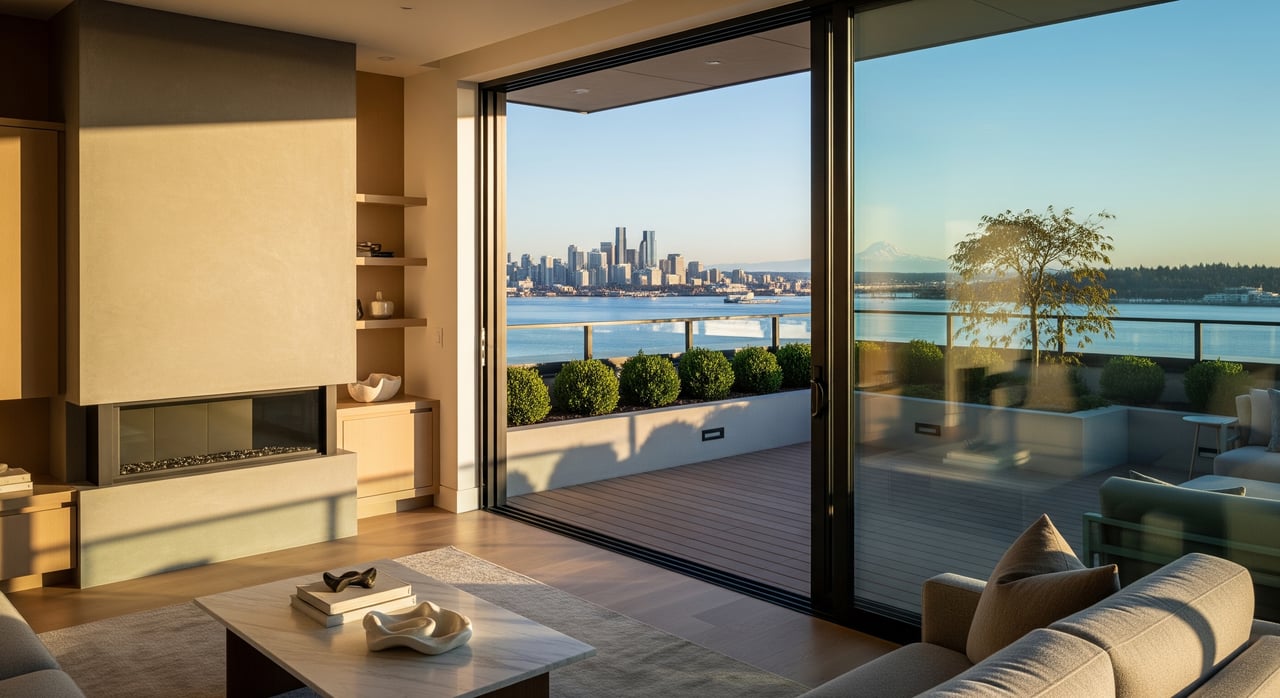
Wondering if your next chapter belongs in a downtown high-rise or on a quiet, tree-lined street? You are not alone. Many Bellevue movers weigh walkability and nightlife against privacy, space, and a backyard. In this guide, you will quickly learn how daily life compares in Downtown Bellevue versus its quieter residential neighborhoods so you can make a confident choice. Let’s dive in.
Downtown Bellevue at a glance
Downtown Bellevue is a compact hub of high-rise living, top-tier dining, and everyday convenience. Most homes are condominiums and rental apartments, with a few townhomes and older single-family pockets near Old Bellevue. You can walk to major retail like Bellevue Square and The Shops at The Bravern, plus cultural spots such as the Bellevue Arts Museum and Meydenbauer Center.
If you want easy access to offices, restaurants, and transit, downtown delivers. You will also find more construction, higher street activity, and smaller living footprints on average. Parking is structured and often assigned, and guest parking varies by building.
Quiet enclaves at a glance
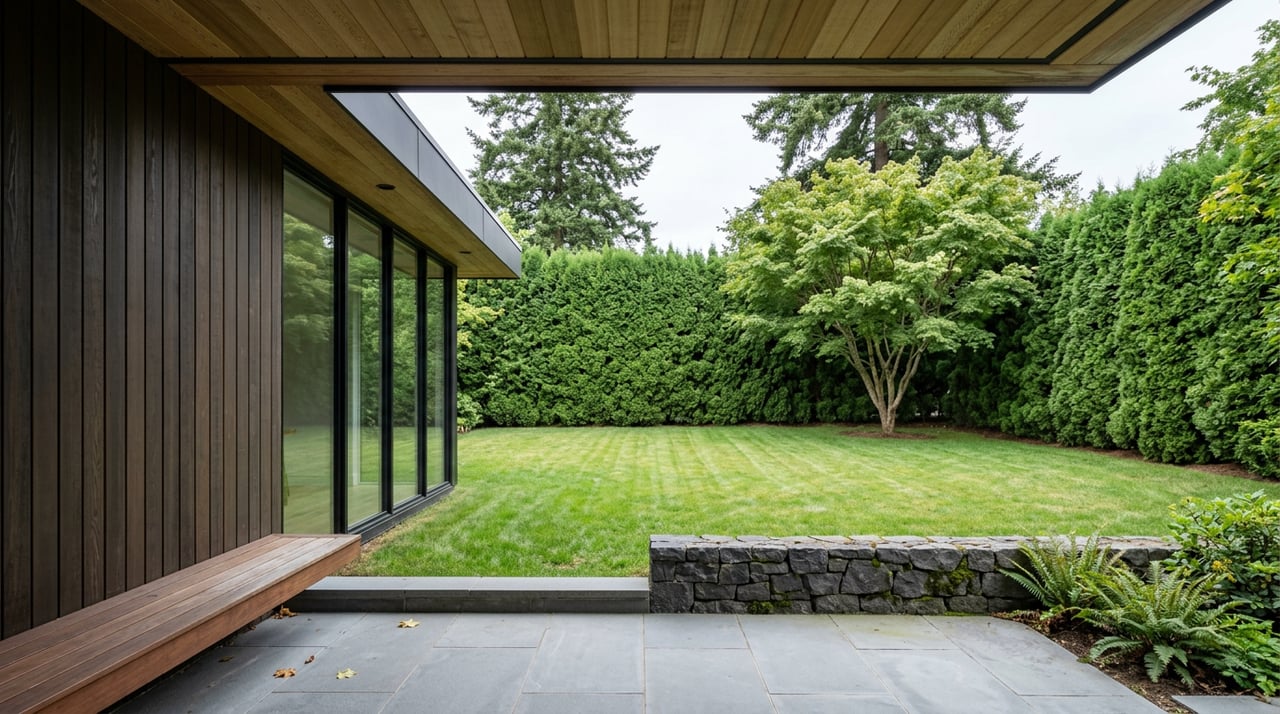
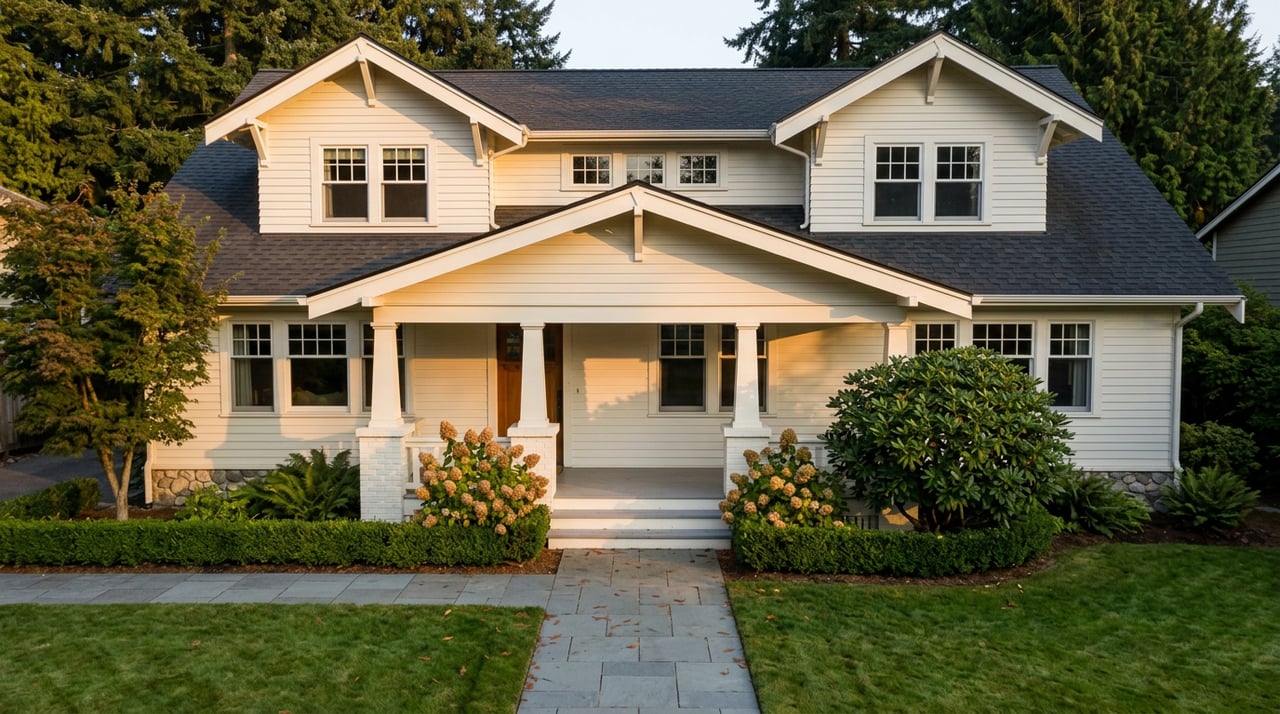
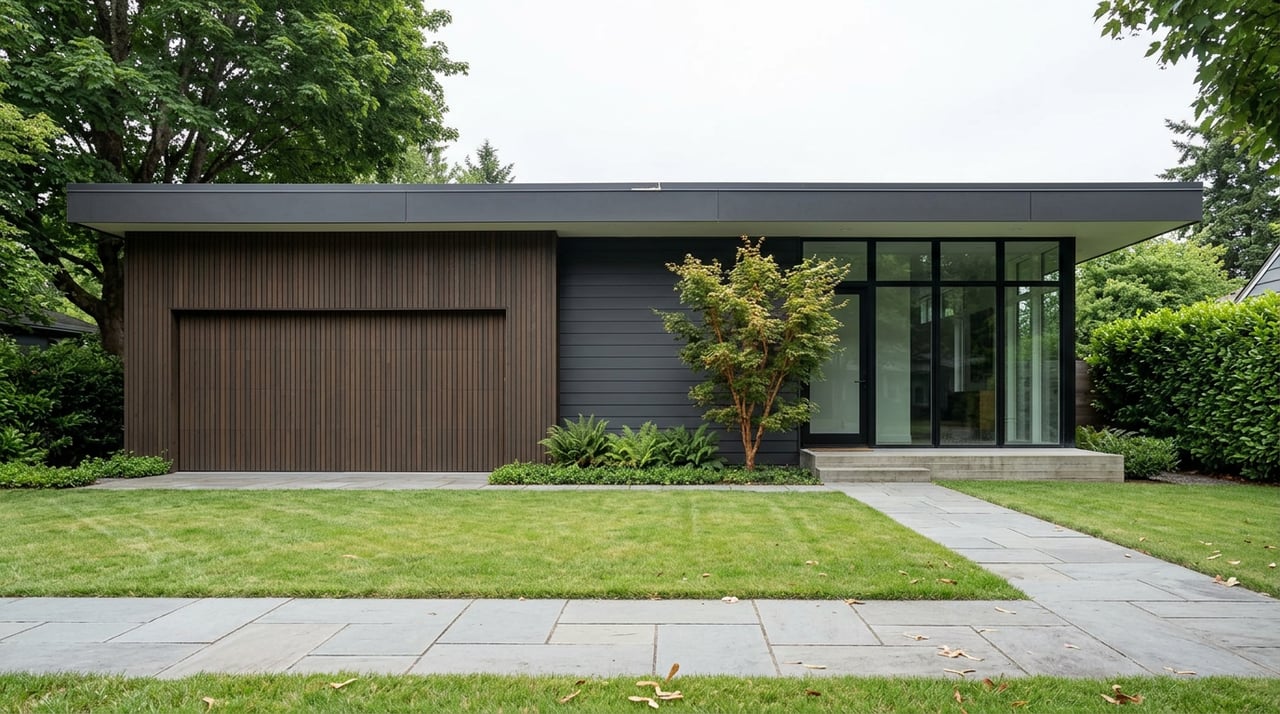
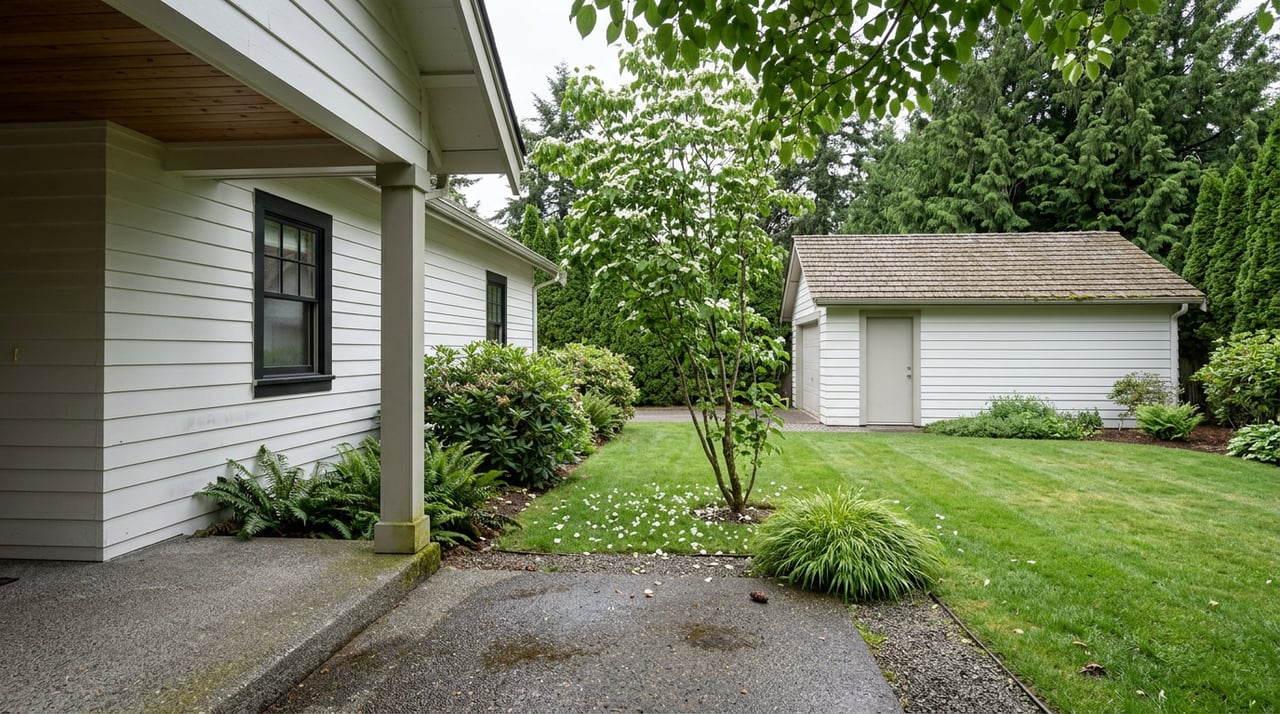
Beyond the downtown core, Bellevue’s residential neighborhoods trade density for space and calm. Areas like West Bellevue, Enatai, Bridle Trails, Somerset, Eastgate, Newport, Factoria, and Crossroads offer more single-family homes, larger lots, and a deeper tree canopy. Many streets feel quieter, and daily life centers around home, parks, and nearby shopping nodes.
Expect more driving for groceries and errands, unless you live near an established commercial center like Old Bellevue, Factoria, or Crossroads. Commute times can be reliable if you are close to I-405, SR 520, or I-90, but peak congestion still affects regional highways. In exchange, you get yards, garages, and more privacy.
Housing and costs
What you will find
- Downtown: Mostly high-rise and mid-rise condos and apartments, plus some townhomes. New buildings continue to add inventory.
- Quieter neighborhoods: Primarily single-family homes, from mid-century designs to newer custom builds. You will also find some low-rise condos and townhomes near arterials or shopping areas. Bridle Trails includes semi-rural, equestrian-friendly parcels.
Budget signals
Bellevue is one of the priciest markets on the Eastside. Single-family homes in West Bellevue and Bridle Trails often command top prices due to lot size and location. Downtown condos are sometimes more attainable on a per-unit basis, yet they can be expensive per square foot. Neighborhoods farther southeast, like Eastgate and Factoria, can offer more mid-market price points.
Downtown condo markets can be more sensitive to interest rates and new supply. Single-family homes in established neighborhoods tend to hold value based on lot attributes, school boundaries, and proximity to parks and water. Always pair your budget with current market data and building-specific details.
Resale and HOA notes
If you are considering a condo, review HOA dues, reserves, rental policies, and any history of special assessments. These factors can affect monthly costs and flexibility, especially for investors or part-time residents. In single-family areas, pay attention to lot characteristics, local levies, and neighborhood-specific demand patterns. Fewer small homes and longer holding periods are common in quiet residential pockets.
Commute and getting around
Transit and the new light rail
The East Link light rail extension began service in 2023 and connects Downtown Bellevue to Seattle, the Eastside, and Redmond, including major employment centers. For many downtown residents, this change makes car-free commuting practical. If you live in a quieter neighborhood, buses and park-and-ride options can help, but most people still drive for the first or last mile.
Highway access and travel patterns
I-405 runs north to south along Bellevue’s west side, SR 520 links to Seattle and the University District, and I-90 connects through Mercer Island. Downtown-to-downtown or downtown-to-Redmond trips are often shorter and less variable, especially with transit in the mix. In suburban neighborhoods, commute times depend more on distance to the highway and time of day.
Parking and walkability
Downtown parking can be limited and expensive, although condo buildings typically include assigned stalls. Neighborhood homes usually include driveways and garages, and street parking is more available. Walkability is where downtown shines. Many people walk to groceries, coffee, fitness, and dinner. In quieter neighborhoods, you will likely drive for weekly errands, while parks and small retail areas are often a short drive away.
Parks and recreation
Bellevue balances urban amenities with a strong parks system. Downtown residents enjoy the iconic Downtown Park for open greens and promenades, plus waterfront time at Meydenbauer Bay Park and its marina. Mercer Slough Nature Park brings wetlands and trails close to the city center.
In quieter neighborhoods, outdoor access expands even more. Bridle Trails State Park borders northeast Bellevue and offers miles of wooded trails that attract hikers and equestrians. Kelsey Creek Farm Park provides family-friendly activities and paths. Lake Sammamish State Park and lakeshore areas are a short drive for swimming, paddling, and boating. The tradeoff is simple: downtown gives you urban parks at your doorstep, while residential areas deliver private yards and quick access to larger regional spaces.
Daily life: errands to evenings
A downtown day might start with coffee downstairs, a light rail commute, and an after-work stop at a favorite restaurant. You can window-shop at Bellevue Square or browse luxury brands at The Bravern, then catch an exhibit at the Bellevue Arts Museum. The energy stays high into the evening, especially on weekends.
In quiet neighborhoods, mornings might begin with birdsong, a backyard play session, or a run through nearby trails. Errands often involve a short drive to Factoria, Crossroads, or a local shopping center. Evenings are lower-key, with yard time, neighborhood walks, or short trips to dinner. You get more control over noise and pace, with less immediate access to nightlife.
Schools and services
Most of Bellevue falls within the Bellevue School District. Many buyers consider school ratings and programs when selecting a neighborhood. Attendance boundaries can change, so verify the current school assignment for any address you are considering.
As in many cities, downtown areas often report more property crime and nuisance activity than low-density neighborhoods. If safety trends are important to you, review recent Bellevue Police Department data for the specific areas you are evaluating. City services, parks, and libraries are broadly strong, and the overall cost of living in the Seattle-Bellevue region is higher than national averages.
Neighborhood snapshots
Downtown Bellevue and Old Bellevue
- Homes: Condos and apartments, with some townhomes.
- Lifestyle: Walk to dining, shops, and cultural venues, with short commutes to Eastside offices.
- Fit: Urban lifestyle seekers, commuters who value transit access, and anyone who prioritizes amenities over private yard space.
West Bellevue, Enatai, and Meydenbauer
- Homes: High-end single-family properties, some with lake proximity and larger lots.
- Lifestyle: Quiet streets, parks and waterfront access, near downtown without being in the core.
- Fit: Households seeking privacy, outdoor space, and strong resale drivers tied to lot size and location.
Bridle Trails
- Homes: Larger wooded lots and equestrian-friendly parcels.
- Lifestyle: Rural-suburban feel with extensive trails and lower density.
- Fit: Buyers who want acreage, a canopy setting, and a quieter pace close to city services.
Somerset, Lake Hills, and Eastgate
- Homes: Suburban single-family homes, mature landscaping, hillside views in Somerset.
- Lifestyle: Residential streets with parks and neighborhood amenities, typically more driving to downtown.
- Fit: Households seeking yard space and value relative to West Bellevue.
Factoria, Newport, and Newport Hills
- Homes: Mix of single-family and multifamily near shopping and offices.
- Lifestyle: Convenient retail, quick highway access, balanced price points.
- Fit: Buyers who want convenience to services and commutes on I-405 and I-90.
Crossroads
- Homes: Apartments and mixed housing options.
- Lifestyle: A community hub with shopping, services, and diverse amenities.
- Fit: Renters and entry-level buyers who want value and everyday convenience.
Which lifestyle fits you
You might prefer Downtown Bellevue if you:
- Want to walk to groceries, dining, and fitness most days.
- Plan to use light rail and regional transit for work.
- Prefer a low-maintenance home with concierge-style building amenities.
- Value an active social and dining scene close to home.
You might prefer quiet enclaves if you:
- Want a yard, a garage, and more indoor and outdoor space.
- Prefer low-traffic streets and a calmer residential feel.
- Do not mind driving for errands, school, and activities.
- Value lot size, privacy, and proximity to parks or trails.
How to choose: a quick checklist
- Define your top three priorities: walkability, space, commute, or schools.
- Decide your preferred home type: condo or single-family, and outline must-have features.
- Map your daily routine: commute routes, school drop-offs, gyms, and groceries.
- Test-drive the lifestyle: spend a weekday and a weekend in both downtown and a target neighborhood.
- Review building or HOA details if considering condos: dues, reserves, rental policies, and past assessments.
- Validate timelines and budget with current market data for your short list.
Ready for local guidance?
Your move should feel clear and well managed. Whether you land on Downtown Bellevue or a quiet enclave, you deserve a calm, informed process that protects your interests and time. Hawkins & O’Bryant pairs senior-level attention with transparent strategy so you can buy or sell with confidence on the Eastside.
If you are comparing options, want a neighborhood tour, or need a go-to plan for listing prep and timing, connect with Hawkins & O'Bryant. We will help you align budget, lifestyle, and timing, then execute the plan with white-glove care.
FAQs
Is a car necessary if you live in Downtown Bellevue?
- Many downtown residents complete daily errands and commuting by walking and light rail or bus, though car ownership is still common for weekend travel and trips off core transit routes.
How do commute patterns compare between Downtown Bellevue and residential neighborhoods?
- Downtown trips to Seattle and Redmond can be shorter and more predictable with the 2023 light rail, while car commutes from residential areas vary based on proximity to I-405, SR 520, or I-90 and time of day.
What should buyers know about Bellevue School District boundaries when choosing a neighborhood?
- Boundaries can change, so verify the assigned schools for any address and review the programs that matter to your household before you finalize a purchase.
Are downtown Bellevue condos a good investment compared to single-family homes?
- They serve different goals: condos suit urban lifestyle buyers and renters, while single-family homes often lean on lot size and location for long-term value, so weigh HOA costs, building health, and future supply.
Which Bellevue parks offer quick outdoor access for different lifestyles?
- Downtown residents enjoy Downtown Park and Meydenbauer Bay, while neighborhoods near Bridle Trails, Mercer Slough, Kelsey Creek, and lakeshore areas offer larger trail networks and more private yard space.
How does safety differ between Downtown Bellevue and quieter neighborhoods?
- As with many cities, downtown areas often report more property and nuisance incidents, so check recent Bellevue Police Department data for the specific block or neighborhood you are considering.