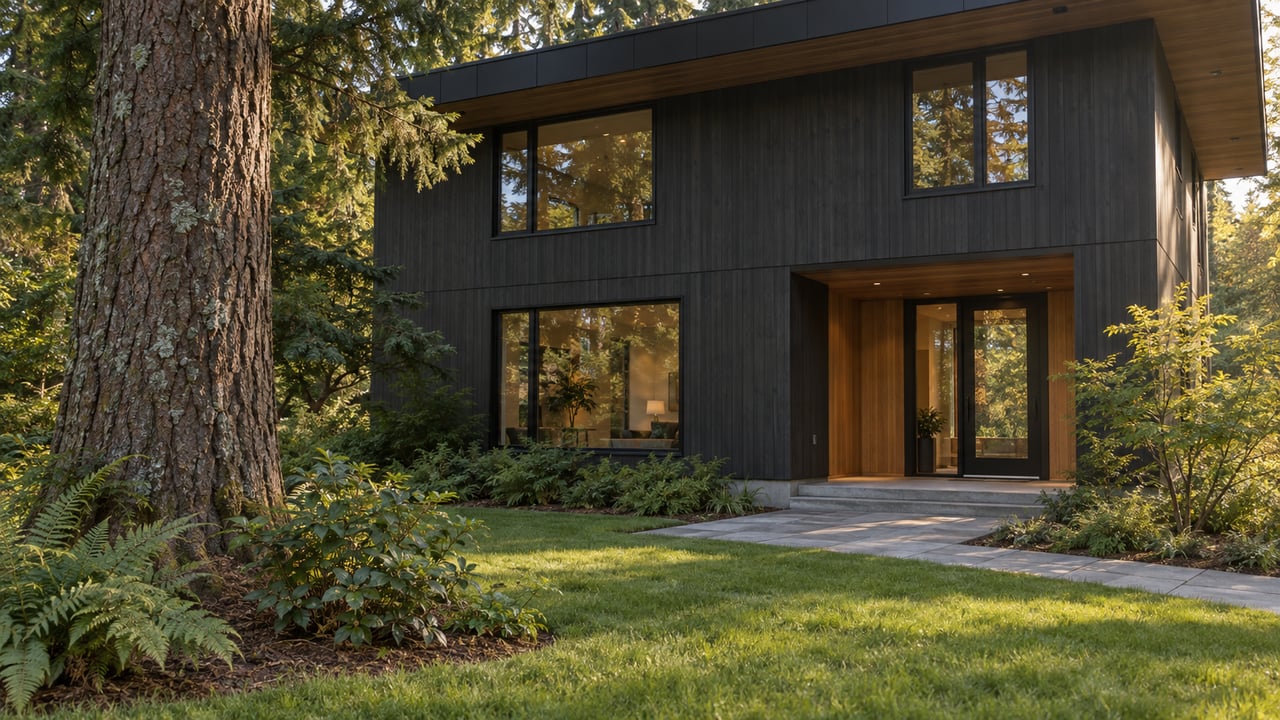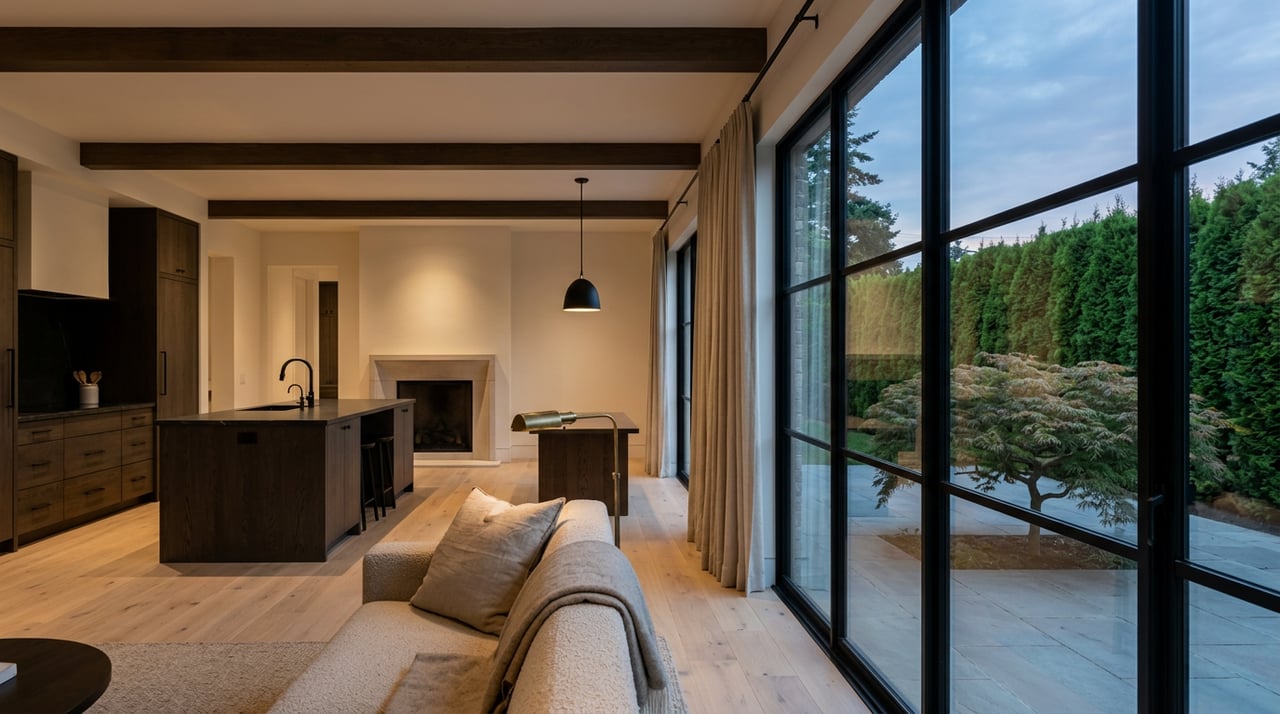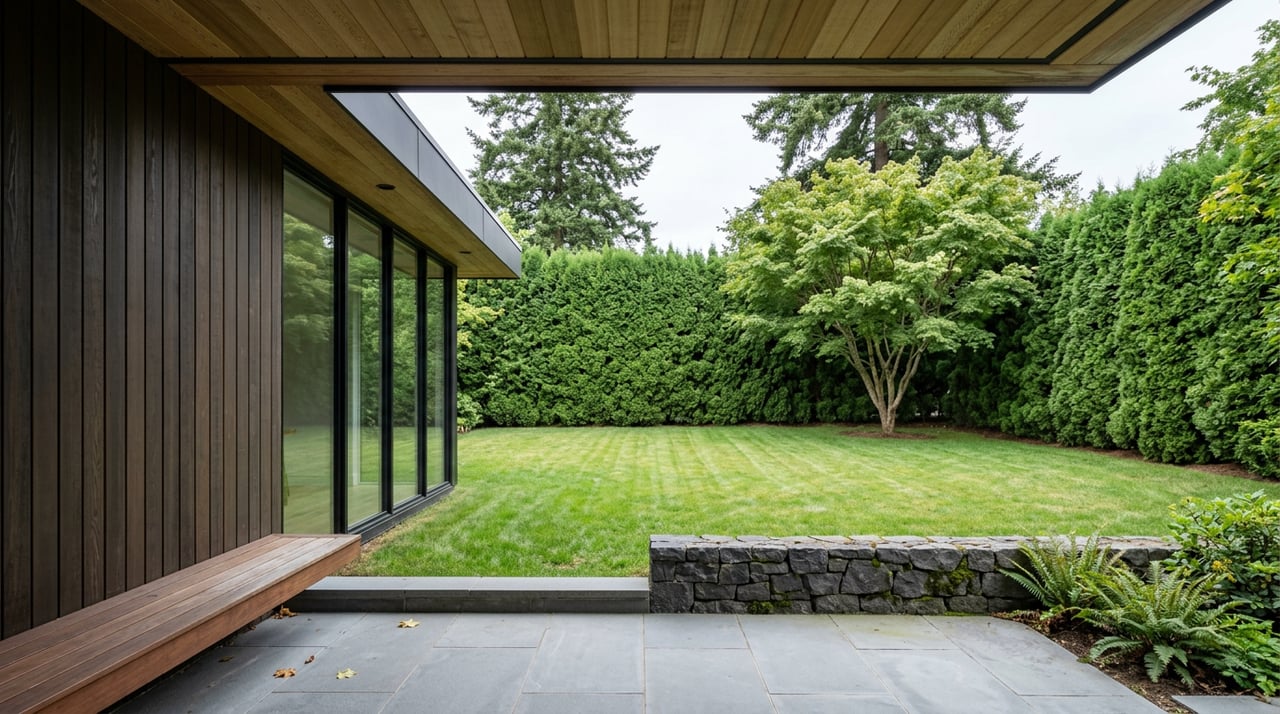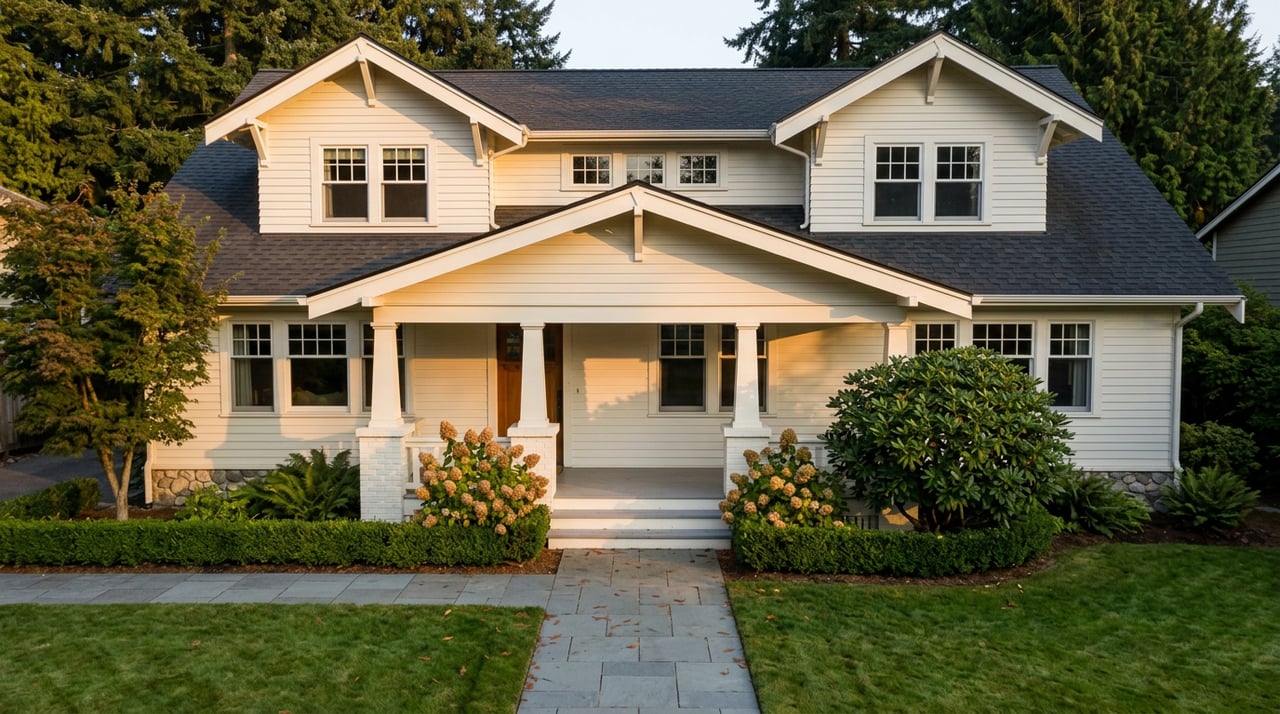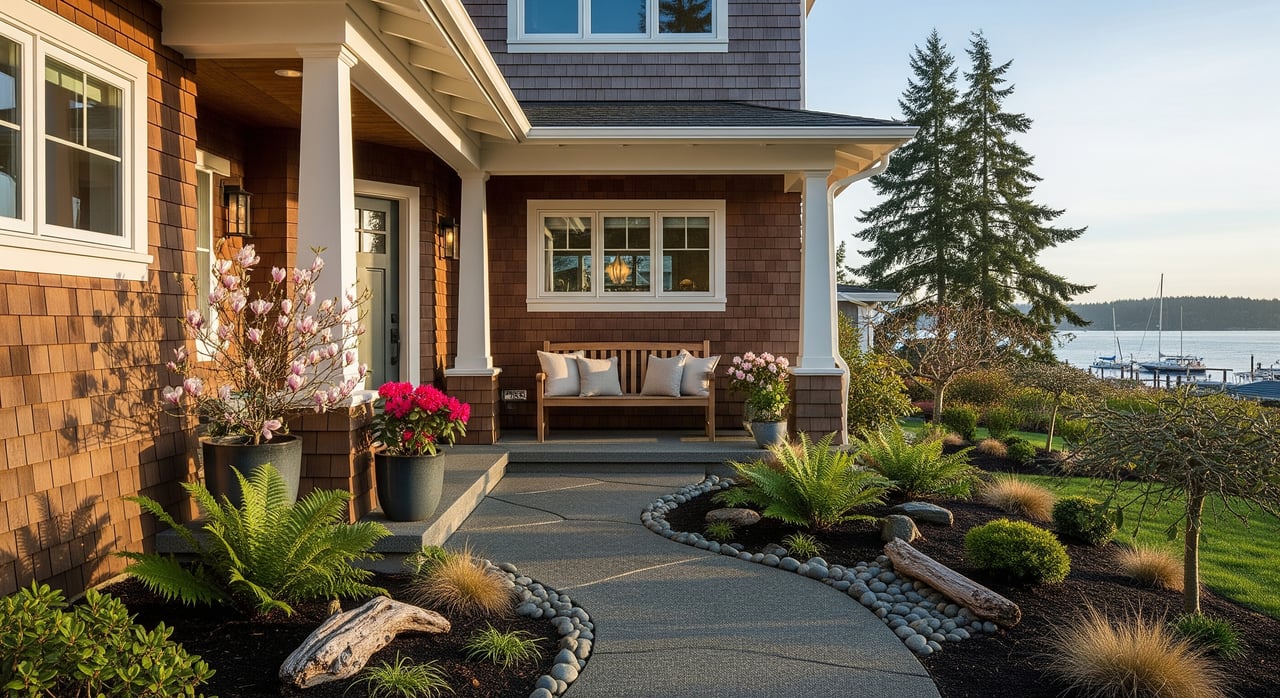
Thinking about listing your Edmonds home this spring but not sure where to start? You are not alone. Spring brings more buyers, more daylight, and more decisions about repairs, staging, and timing. This step-by-step plan walks you through an eight-week preparation timeline tailored to Edmonds and the greater Seattle area, with clear tasks, local considerations, and calm guidance to keep you ahead of the market. Let’s dive in.
Why spring works in Edmonds
Spring is when many buyers begin touring in earnest. Longer days and improving weather make it easier for your home to shine and for buyers to schedule showings. Well-presented homes that launch in early to mid spring often see stronger traffic than off-season listings.
Edmonds is shaped by Puget Sound weather. Expect cool, wet days in March and April, with better windows for photos and open houses as late spring arrives. Daylight Saving Time creates more late-day showing opportunities and excellent twilight photography conditions.
Your 8-week listing timeline
Every home is different, but this timeline fits most single-family homes in Edmonds. If your property needs extensive work or has specialty features, allow a bit more time. If you want an accelerated sale or a cash offer strategy, you can compress some steps.
8-12 weeks out: Plan and permit
Start with a pricing and strategy consultation to understand your likely value range and buyer pool. From there, sequence any major work so it finishes well before photos.
- Get an agent-prepared valuation or CMA to set guardrails for budget and scope.
- Schedule contractor-led projects that may require permits, such as roof replacement, structural fixes, or larger HVAC and plumbing work.
- Confirm City of Edmonds requirements for exterior work, tree removal, shoreline or critical-area rules, and historic district considerations before starting outdoor projects.
- Map out landscaping changes and planting windows, especially if you plan to lay new sod or add beds.
4-8 weeks out: Inspect and improve
Use this window to identify and solve issues buyers would flag. Documentation helps you negotiate with confidence.
- Order a general pre-listing inspection and complete any safety or system fixes it reveals.
- Add specialty checks where relevant: sewer camera scope, pest inspection, chimney and fireplace inspection, and HVAC servicing.
- Consider radon testing to address future buyer questions. The U.S. EPA recommends testing and explains short-term versus long-term options.
- If your home was built before 1978, prepare your federal lead-based paint disclosure and EPA/HUD pamphlet for buyers. Review the EPA’s lead disclosure rules.
- Start cosmetic improvements with high return on perception: neutral interior paint, refreshed caulk and grout, updated lighting, and new cabinet hardware.
- Begin your staging plan. Obtain quotes if you plan to use a professional stager.
2-3 weeks out: Stage, detail, document
Now you turn a clean, repaired home into a market-ready product.
- Deep clean, depersonalize, and finalize staging. Remove bulky furniture to open floor plans and create clear traffic flow.
- Tidy exterior spaces. Clean gutters, sweep walkways, address moss on hardscapes, and trim back overgrowth.
- Finish minor punch-list items: squeaky hinges, loose railings, dripping faucets, cracked switch plates.
- Gather documents buyers will request: completed disclosures, past permits and warranties, appliance manuals, HOA documents if applicable, and utility information.
- Schedule professional photography. Aim for a dry day with good light, and plan twilight photos for that warm evening glow.
0-7 days before launch: Final prep and pricing
Get every detail right so your home’s first impression is its best.
- Complete final touch-ups and a light refresh clean.
- Confirm your pricing and launch strategy based on recent comps, market tempo, and your goals.
- Approve MLS remarks, floor plans, and photo order. Consider a broker preview to build early momentum.
- Review showing instructions and plan around pets, work-from-home schedules, and high-traffic times.
First 2-6 weeks on market: Monitor and adjust
Once live, focus on execution and feedback.
- Track showing activity and comments. Small staging tweaks can improve buyer flow.
- Revisit pricing if traffic or feedback signals a gap with the market.
- Be ready for buyer inspections quickly after mutual acceptance. Pre-listing inspection reports and repair receipts can reduce negotiation time.
Pre-listing inspections to consider
General home inspection
A pre-listing inspection gives you a clear picture of repair needs and helps you choose between fixing issues now or pricing with transparency. It reduces surprises and can shorten the time between offer and closing.
Sewer scope and pest checks
Edmonds has many mature trees and older sewer laterals. A sewer camera scope can prevent last-minute renegotiation if roots or breaks are found. Pest inspections help identify wood-destroying insect concerns, which are not uncommon in the Northwest’s damp climate.
Chimney, HVAC, and radon
Provide receipts for chimney cleaning and HVAC servicing where applicable. Buyers value well-documented maintenance. If radon is a concern for your buyer pool, an EPA-recognized test and a short summary of results can instill confidence.
Lead-based paint disclosure
If your home was built before 1978, federal law requires you to disclose known lead-based paint information and provide the EPA/HUD pamphlet. Review the EPA’s guidance on real estate disclosures to prepare your file.
Repairs and upgrades that move the needle
Safety and systems first
Fix roof leaks, active plumbing leaks, and obvious electrical hazards before you address cosmetics. Clean gutters and confirm downspout drainage away from the foundation. In a wet climate, buyers pay close attention to moisture and drainage.
High-impact cosmetics
Focus on first impressions. Fresh interior paint, bright LED bulbs, updated entry and dining fixtures, and refreshed caulk and grout go a long way. In kitchens and baths, simple swaps like hardware, faucet updates, and a new vanity mirror can elevate the look without a full remodel.
Energy and comfort
In the Pacific Northwest, comfort sells. Replace torn weather stripping, re-caulk drafty windows, and service the furnace or heat pump. Neat filters and a clean mechanical area tell buyers the home has been cared for.
Edmonds curb appeal and photography
Clean, drain, and brighten
Moss and algae are common on roofs, decks, and walkways. Use PNW-experienced pros to clean safely. Power-wash hardscapes where appropriate, clear drainage paths, and repair trip hazards. A freshly painted front door, clean trim, and tidy porch lighting make your photos pop.
PNW landscaping cues
Choose simple, low-maintenance seasonal color like spring bulbs and early-bloom shrubs. Mulch beds for a neat, moisture-retaining finish. If you plan larger planting projects, align with spring windows and water accordingly so new plants look healthy by photo day.
Waterfront and neighborhood features
If your property is near waterfront or within view corridors, ensure any maintenance and access obligations are documented. Highlight proximity to downtown Edmonds amenities, beaches, parks, and cultural venues where relevant, but keep marketing claims accurate and property-specific.
Documents, taxes, and logistics
Required disclosures in Washington
Complete the standard seller disclosure form used in Washington and include any relevant reports and permits in your listing file. If your home predates 1978, prepare the federal lead-based paint disclosure and EPA/HUD pamphlet. Accurate disclosures protect you from post-closing disputes.
REET and closing costs
Washington collects a Real Estate Excise Tax on property transfers, typically paid by the seller at closing. Rates and exemptions can change, so review current guidance from the Washington Department of Revenue on REET as you plan. Expect other costs like the brokerage commission, prorated property taxes, title and escrow fees, and any negotiated credits or repairs. Ask your agent for a detailed net sheet early.
HOA and property records
If your home is in an HOA, gather CC&Rs, financials, and recent meeting minutes before you list. Also collect appliance manuals, warranties, a list of recent improvements, and utility information. Organized files create buyer confidence and faster reviews.
Partner for a calm sale
You deserve a clear plan, consistent communication, and polished marketing that reflects your home’s value. As a two-broker team, we manage the details from pre-inspections and contractors to staging, photography, and negotiation, so you can move with confidence. Our process blends boutique, senior-level service with broad exposure to reach the right Edmonds buyers.
If you are targeting a spring launch, we can map your eight-week plan and coordinate the right improvements for your goals. Reach out to Hawkins & O'Bryant to start with a pricing consult and a custom prep checklist.
FAQs
How far in advance should I prepare to sell my home in Edmonds this spring?
- Start 8-12 weeks before your target list date to complete inspections, repairs, and staging, then use the final 2-3 weeks for detailing, documents, and photography.
Do I need a pre-listing home inspection to sell in Washington?
- It is not required, but a pre-listing inspection helps you spot issues early, price with clarity, and reduce renegotiation after the buyer’s inspection.
Which repairs should I prioritize before selling a house in Edmonds?
- Address safety and systems first, including roof leaks, electrical hazards, plumbing leaks, gutters, and drainage, then focus on high-impact cosmetics like paint and lighting.
What seller costs should I expect when selling a home in Washington?
- Common costs include brokerage commission, Washington’s Real Estate Excise Tax, prorated property taxes, title and escrow fees, and any agreed buyer credits or repairs.
Do I need permits for exterior work or tree removal in Edmonds?
- Many exterior projects and tree removals require City of Edmonds review, and shoreline or critical-area properties may have added rules, so verify permits before work.
How do I handle rain when photographing or showing my Edmonds home in spring?
- Plan flexible photo dates, stage covered entries, provide boot trays and mats, and use warm interior lighting; schedule twilight shots for clear evenings after DST if possible.